Rural youth overcome barriers through their own determination rather than societal support
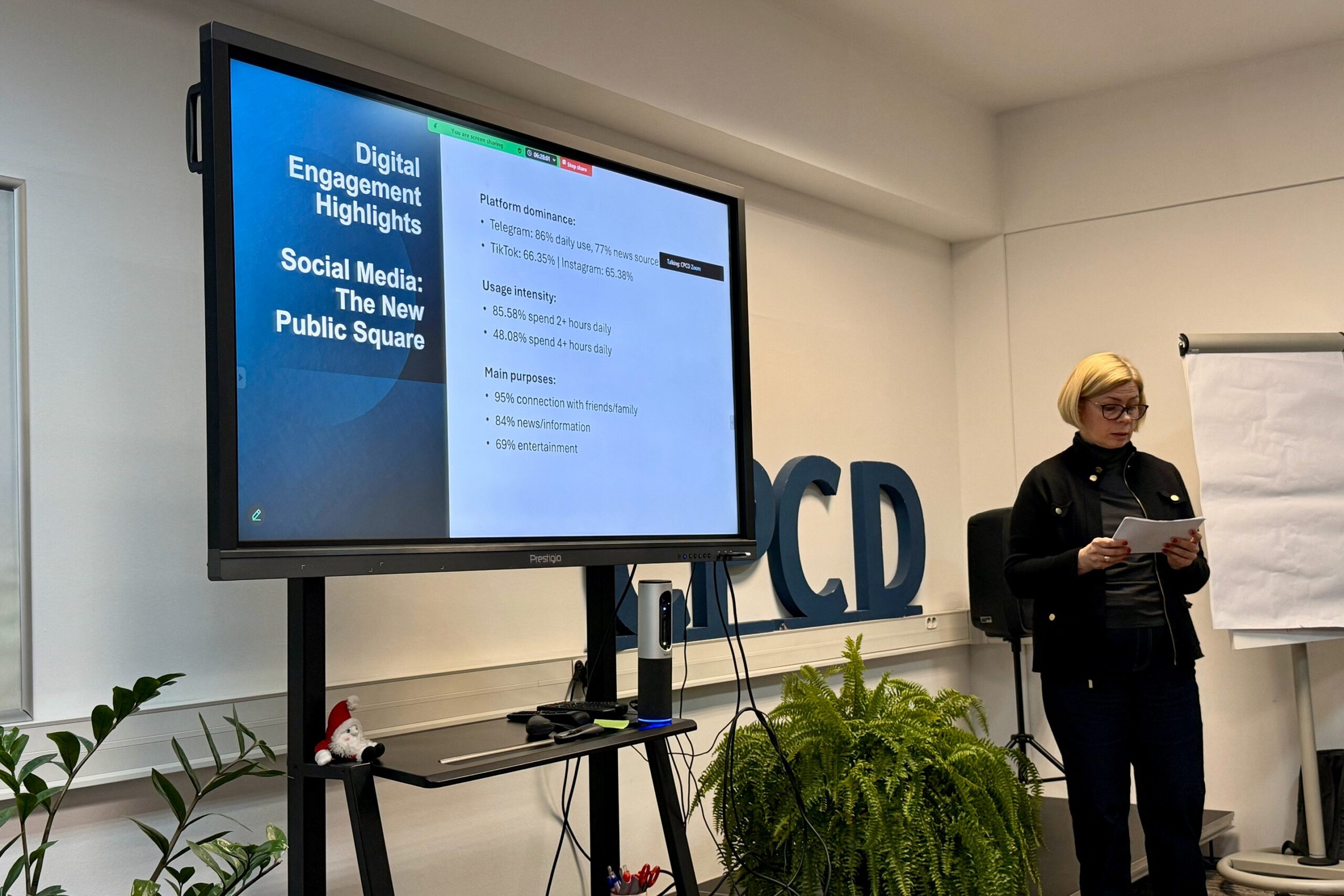
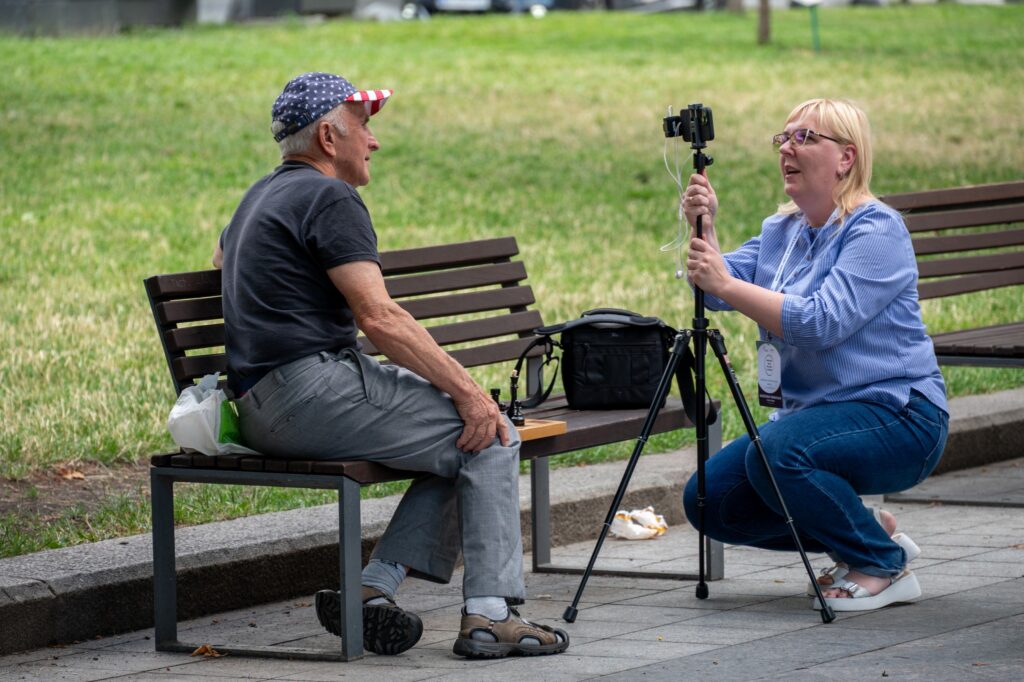
What do rural young people aspire to, and do they have at least basic leadership skills? Do they want – and are they able – to actively engage in community life? Our team presented a comprehensive study on youth policy and leadership in rural areas of Ukraine’s Danube Region (Chernivtsi, Ivano-Frankivsk, Zakarpattia, and Odesa regions) in Sarajevo at a partners’ meeting of the SMILE Incubator project.
What conclusions did the experts reach? The first is paradoxical: rural youth are more digitally engaged than urban youth, yet they overcome barriers mainly through personal determination rather than support. The second is a gap: in rural areas, young men and women are active online but disconnected from formal institutions – 94% donate online, but only 7% have joined youth councils. The third is a risk: our most successful regions in leadership development are also losing this potential due to migration.
Notably, the highest levels of civic engagement and life satisfaction are found in the Ivano-Frankivsk region. At first glance, this seems like a success. At the same time, this region shows the highest propensity for migration – 6.0 out of 10 points. Nearly half of rural youth do not see their future in rural areas: we are developing leadership potential but not creating local opportunities to retain it.
About 60% of rural young people see themselves as future leaders, yet nearly 80% want to improve their public speaking skills; over 60% need digital leadership tools; and 60% want to strengthen their project management skills. The gap is obvious: they have basic digital literacy and know how to use Instagram and Telegram – but only 40% use these tools professionally. Seventy-five percent have never organized an online petition. There is a divide between consumption and creation, between engagement and leadership.
Recommendations were developed for the SMILE Incubator project. For example: use platforms that young people already use (Telegram, TikTok, Instagram) to inform them about formal opportunities; transform basic use of digital tools into professional competencies; connect online and offline activities; and create local opportunities to stop the outflow of top talent.
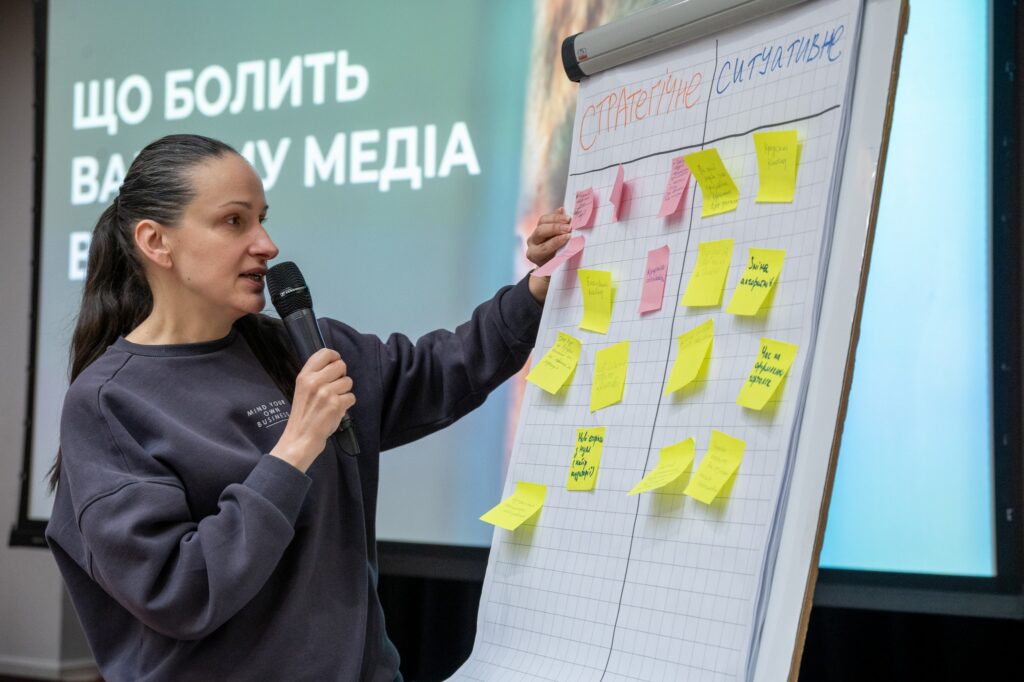
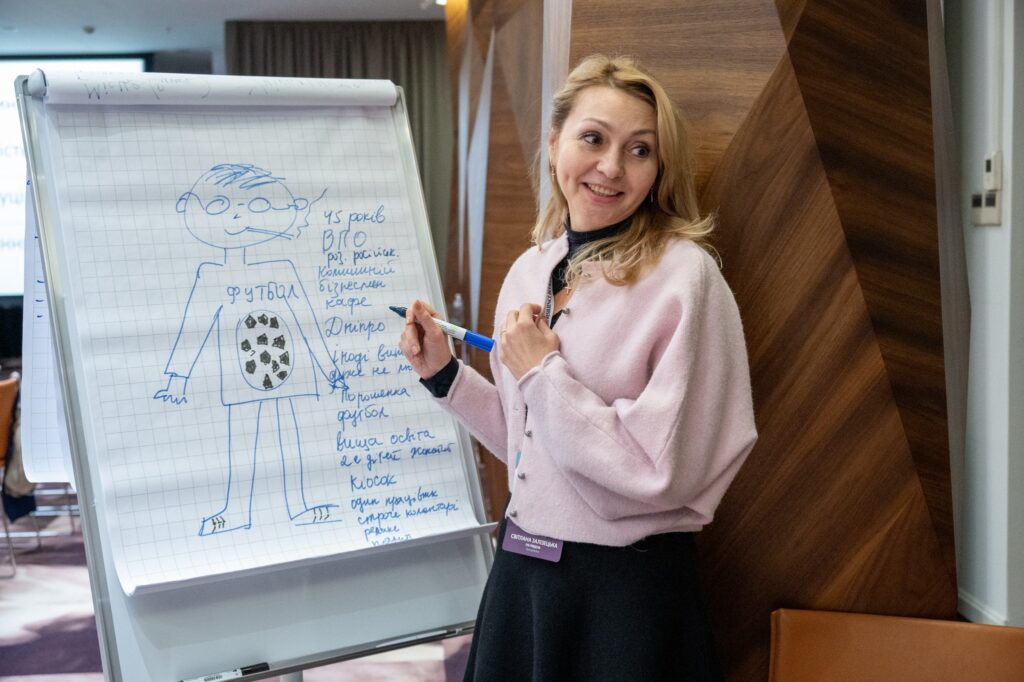
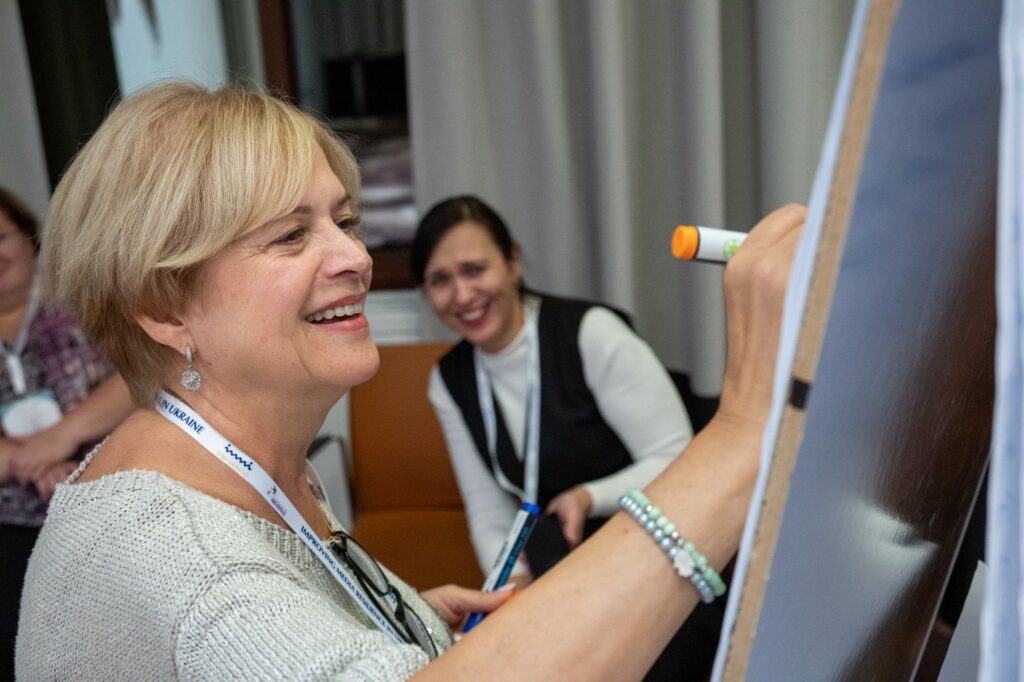
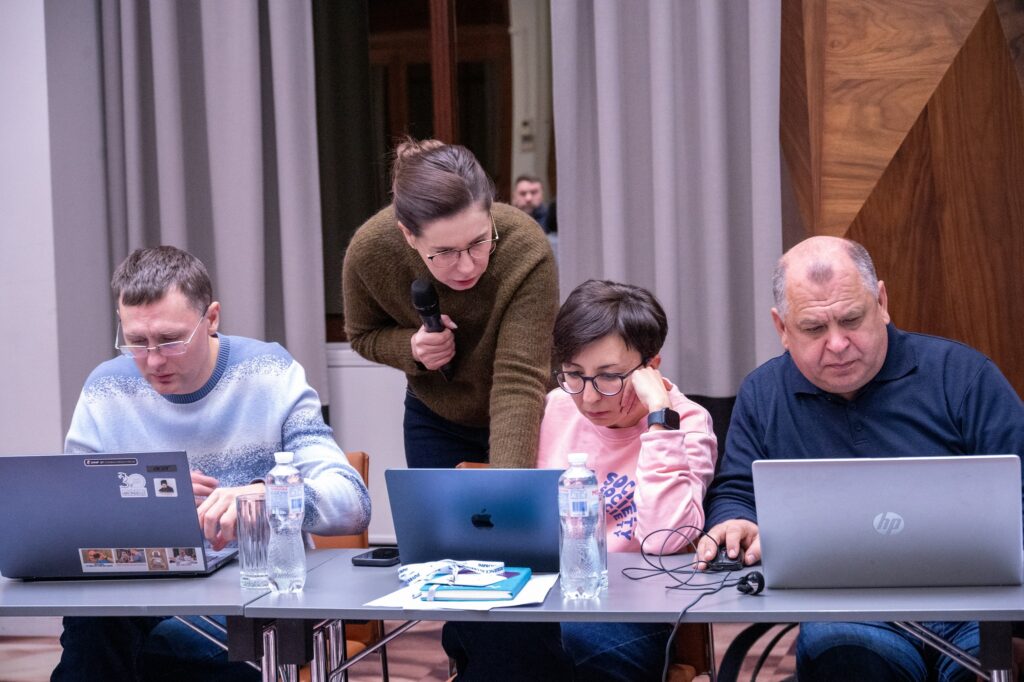
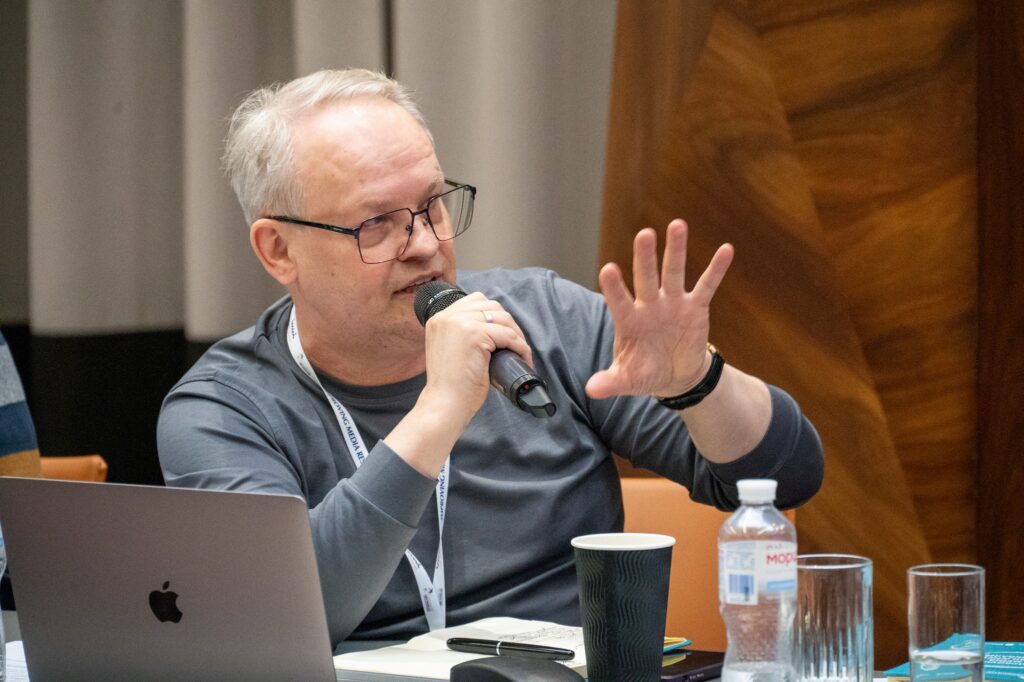
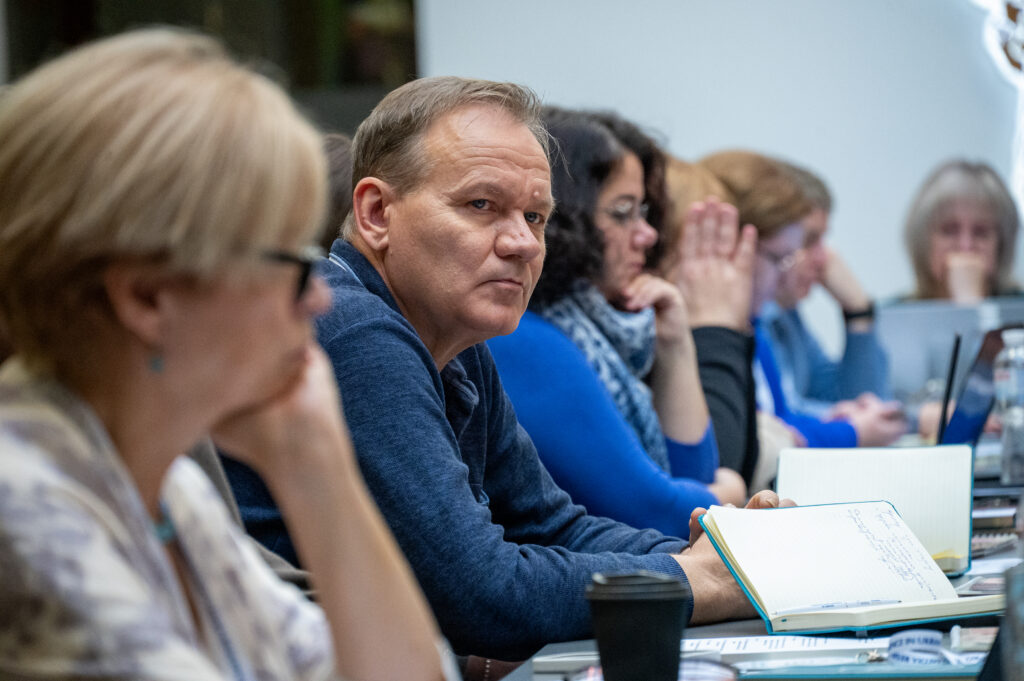
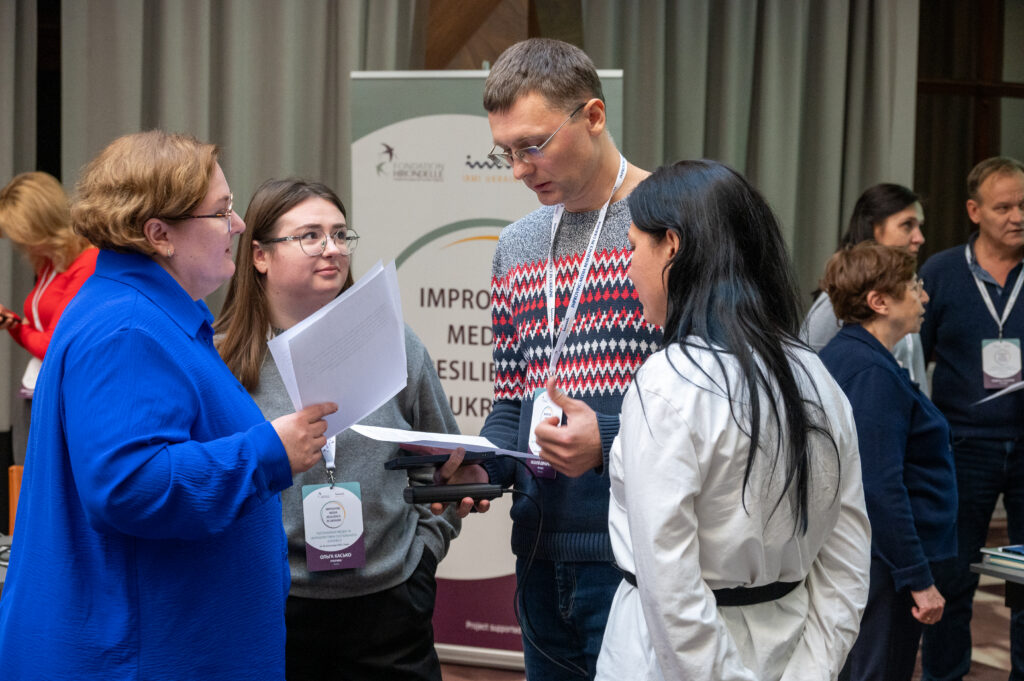
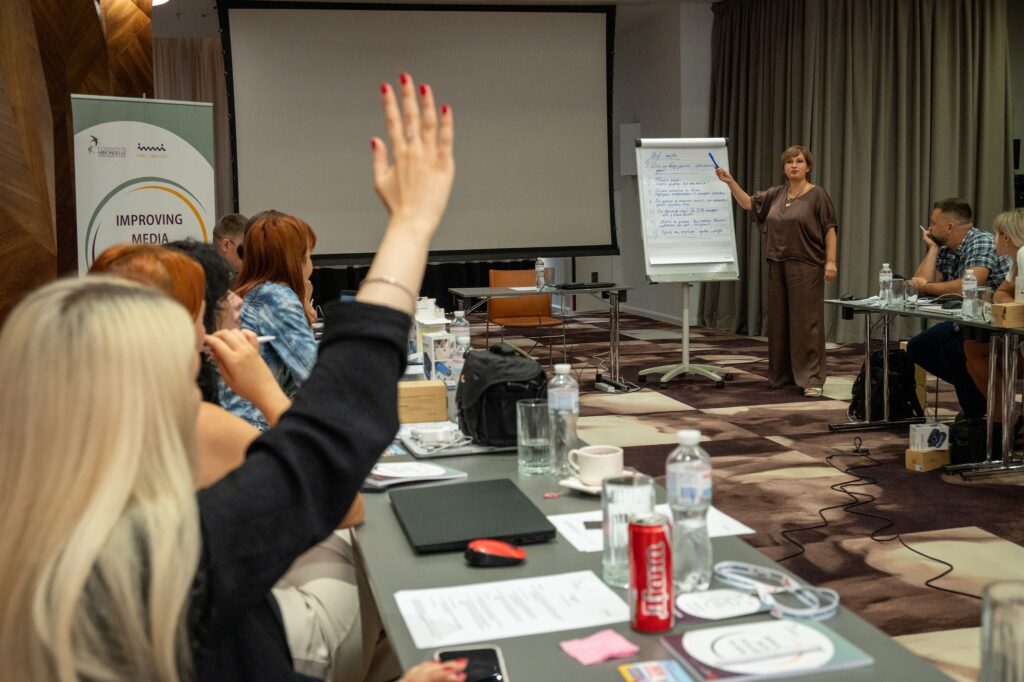
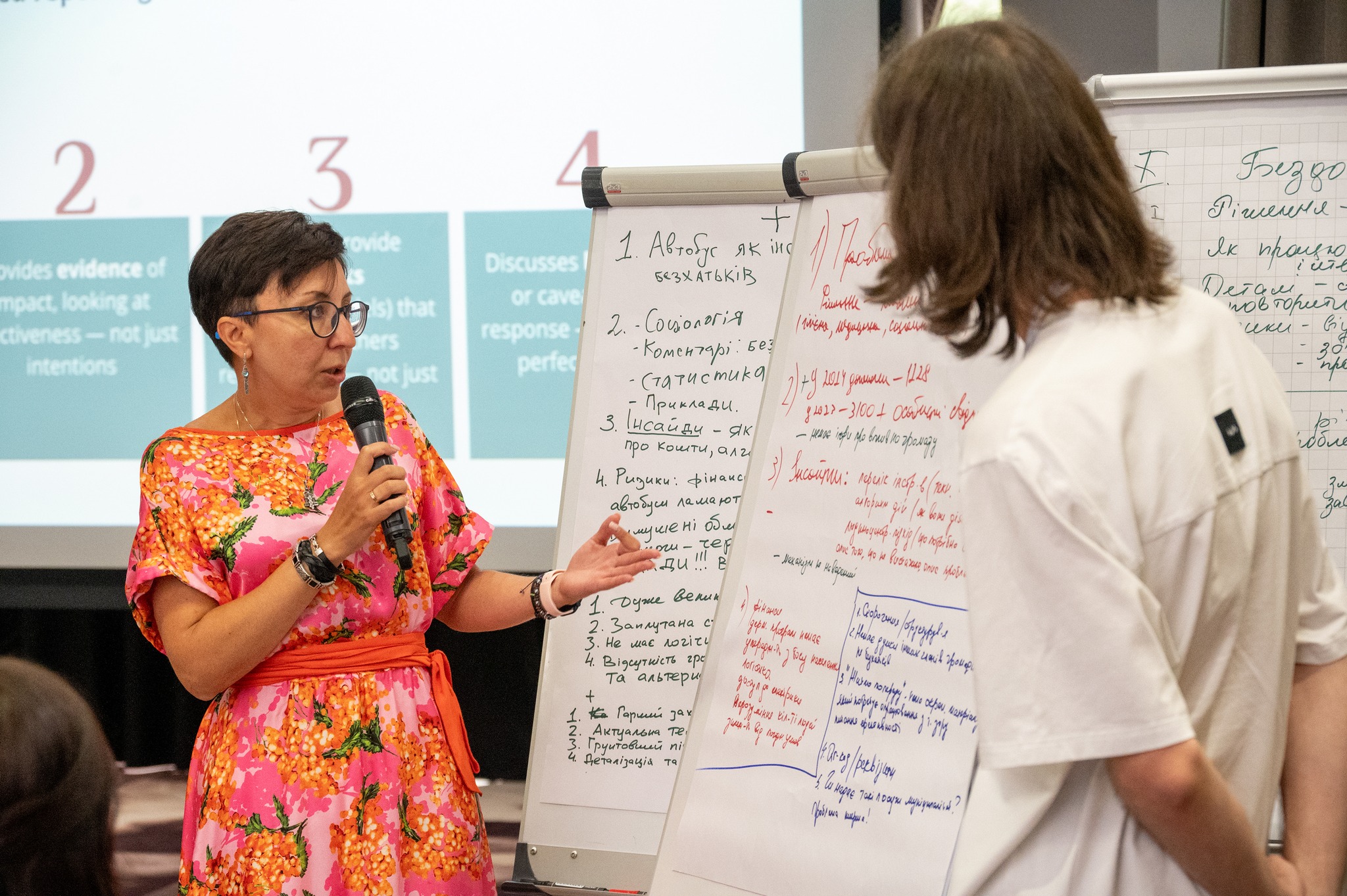
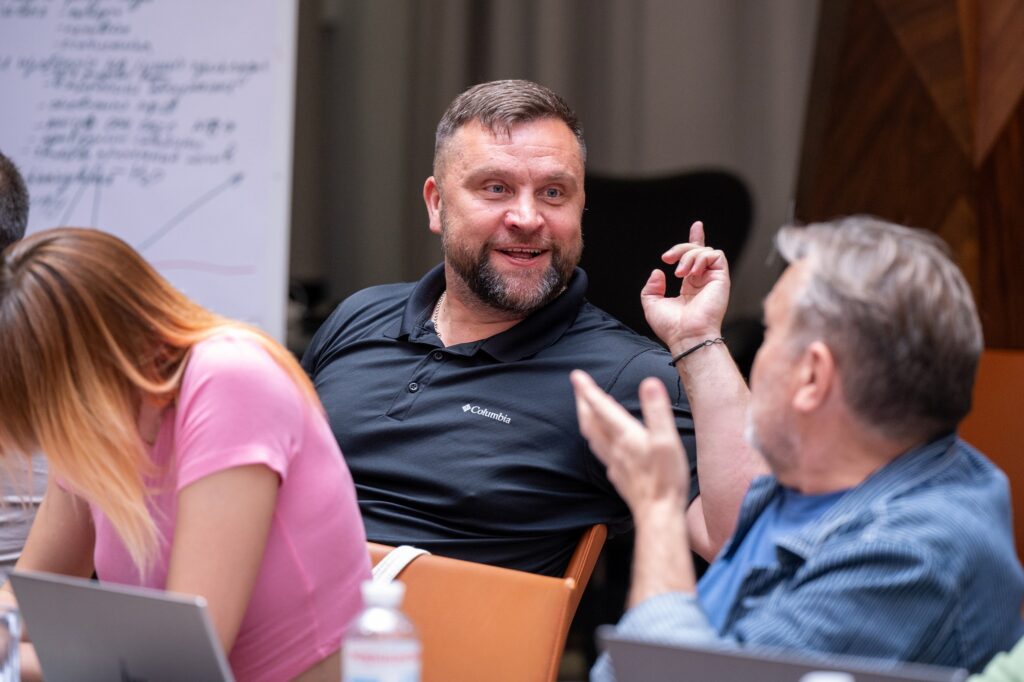
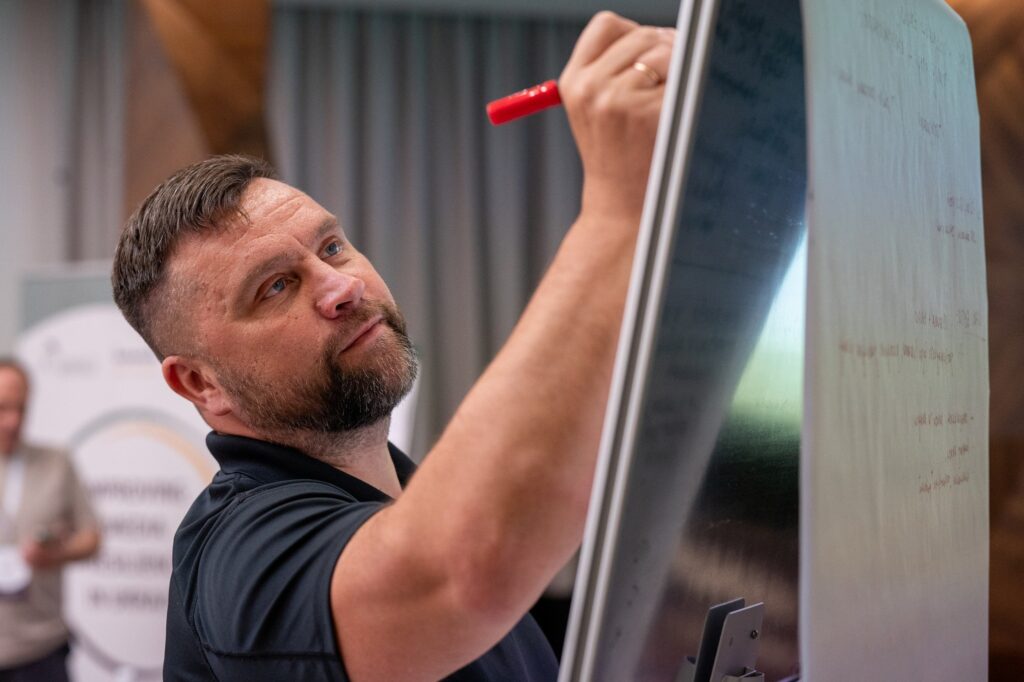
What are we missing, and what tools do we actually have when we sit down to draw up a media strategy? During a training for the ten editorial teams receiving institutional support under the project, participants developed strategies for the coming year and beyond — as far ahead as circumstances allow. They refined plans already in place, shared experience generously with colleagues, explored new approaches and instruments, and subjected them to robust discussion.
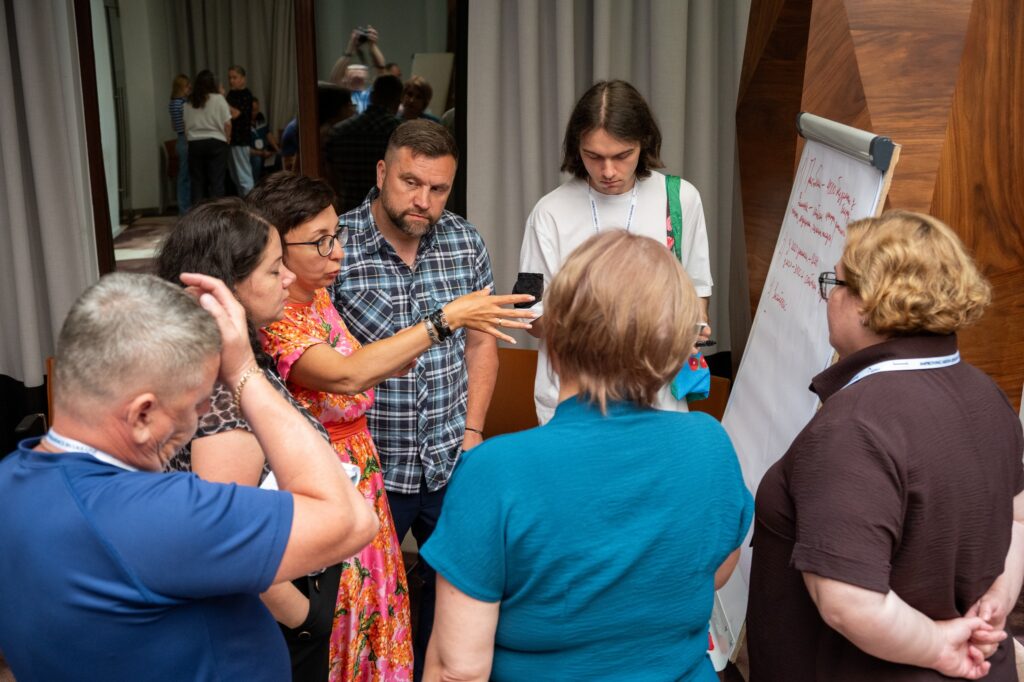
What do our audiences look like today, and how do they affect media sustainability — how do they determine a newsroom’s prospects? What does it take to evaluate a strategic plan properly, what needs to change, and what tools might usefully supplement the familiar ones? The conversation focused on attracting new audiences through higher-quality content, on monetising social media, and on rethinking the underlying principles and approaches to strategic planning. Journalists analysed the particular characteristics of their readerships and shared working methods suited to conditions of instability. Experts addressed not only the risks but also the practical means of overcoming them. All the editorial teams agreed that media sustainability depends on expanding audiences, winning their trust, and raising the quality of the product. Fundraising, social media management, monetisation — what we already do well and how to do it still better — were not only discussed but worked through in practical group exercises.
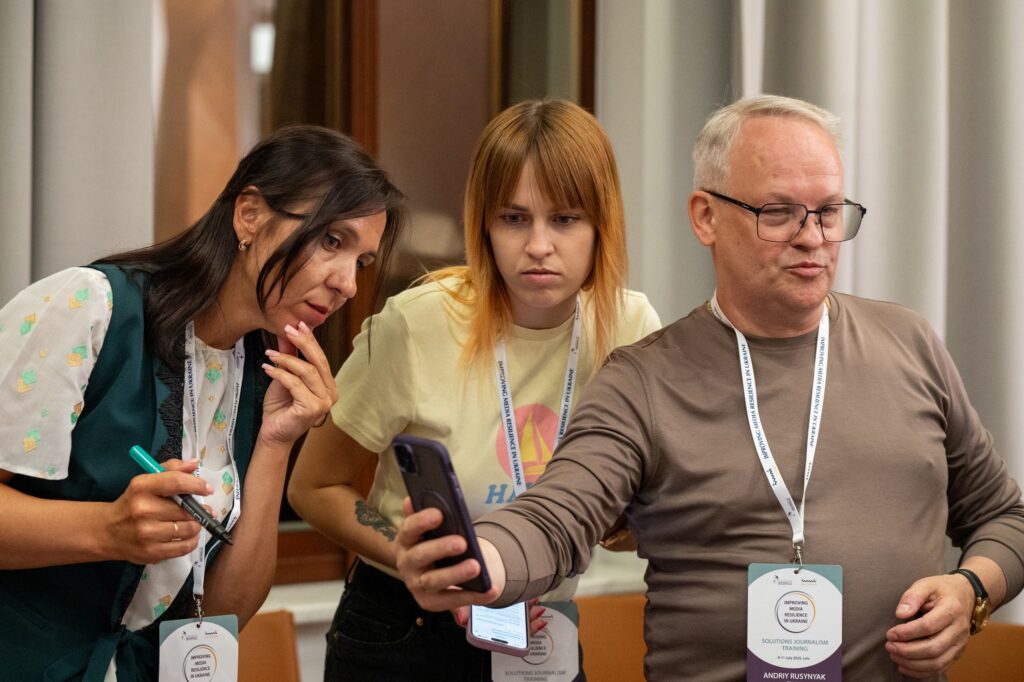
Andrii Rusyniak, TRK RAI, Ivano-Frankivsk:
“There were moments when I thought I simply wouldn’t be able to get my head round it — but in practice everything turned out to be so accessible, straightforward, and clear that it all fell into place. I’d like to thank everyone for the care that goes into selecting the right experts and trainers. And as for strategic planning — we’re leaving today with a finished product: goals, a strategy, the tools. Everything we need to carry on working. That is invaluable to us.”
Svitlana Zalizatska, RIA Pivden, Melitopol:
“I don’t know whether truly ideal strategies exist at all. Ours has genuinely helped us in our work with grants. But judging by what I’ve learnt over these two days, it was imperfect — and I’m revising it now. What matters most for our team is to anticipate the risks we currently face and to get ahead of them.”
Natalia Popovych, Horodok TRPC — who arrived with a strategy already written:
“I thought I’d adjust something here and add something there, and that would be it. Honestly, it didn’t work out that way. Take my goal of achieving financial stability through a diversified revenue model — fine, but how? And why advertising, grants, information services specifically? Where are the audience and the community? Where is the commercial activity? Then: strengthen audience trust. But how, exactly? What does working with an audience actually look like in practice? Now I have a further document that we developed here. It still needs careful, thorough work — but I’m confident it will become a solid, well-formed document, a step-by-step guide that will help me move towards the goal.”
The training was held as part of the Improving Media Resilience in Ukraine Project, implemented by Fondation Hirondelle (Switzerland) and IRMI, Institute for Regional Media and Information (Ukraine), and funded by Swiss Solidarity.
27 Лис
Public Interest Journalism: What Should It Really Look Like?
How to maintain balance, how to work in a conflict situation, under wartime conditions. How to cover war crimes professionally. How to work with sociological research. These and much else — everything bearing on the subject — were on the agenda at a training course in public interest journalism.
The topic is a demanding one. We spoke about human rights, the interests of society, and professional journalism as it ought to be practised. Every participant — representatives of regional media outlets — already brought experience of their own, but also professional questions they wanted to put to specialists. Case studies and practical exercises grounded in real situations helped sharpen understanding still further.
Mykhailo Buromensky, a lawyer and expert contributor, observed that the training had engaged with questions of fundamental importance for journalists working in conditions of conflict of interest. The capacity to identify the public interest and to strike the right balance is, in effect, what enables journalism to fulfil its mission. Particularly significant, he noted, was the discussion of journalism’s role in documenting Russian war crimes in the war against Ukraine, and of the ethics of documentation — which differs in certain respects from standard investigative practice.
With sociologist Olesia Hudzenko, participants considered whether we use and interpret the findings of sociological research accurately and responsibly — how to avoid manipulation, and how to assess the credibility of studies produced by different polling organisations.
The theme of public interest journalism draws together a range of important skills and ideas. With trainer Olha Odarchenko, for instance, the group explored the use of Google Analytics — a tool that deepens understanding of audiences and their needs and, from that foundation, enables the development of sound content strategies and the identification of subjects readers and viewers actually want.
Practical exercises, discussion, and debate made up a substantial part of the course. Indeed, on one afternoon the journalists themselves became the speakers, sharing editorial experience from their own newsrooms: how they engage with their audiences and handle the question of inclusion; how to monetise social media; public interest journalism and the coverage of environmental problems; and co-production — the practice of collaboration between editorial teams.
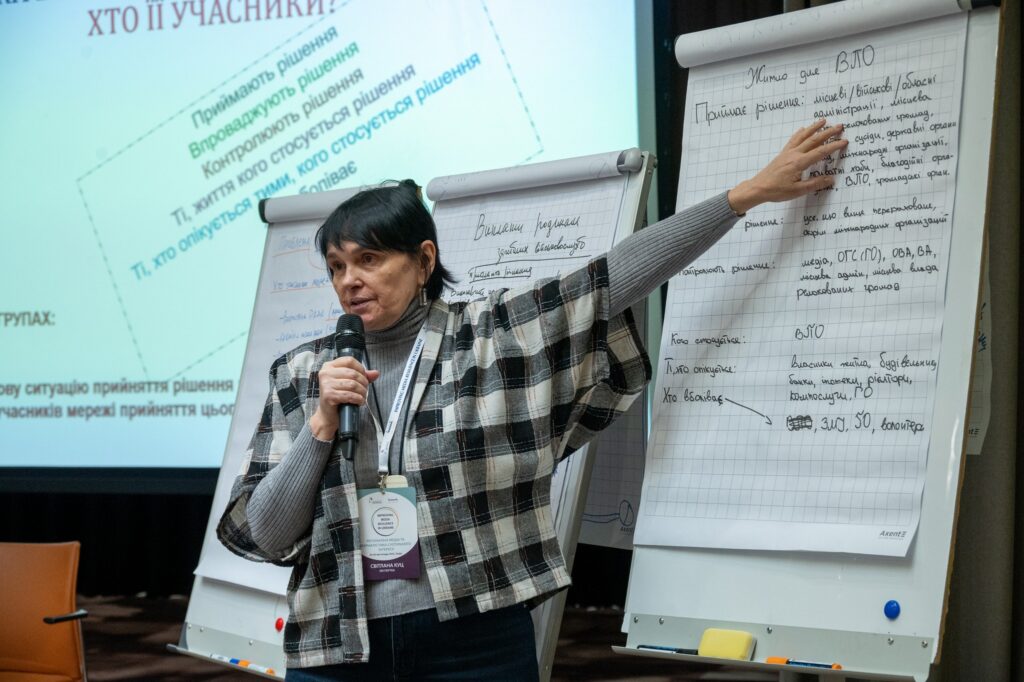
With expert Svitlana Kuts, participants worked through how to avoid becoming an instrument of manipulation, and also when media advocacy genuinely serves the public interest. This critically important theme — like all the others — was reinforced through hands-on work. In a brainstorming session, groups developed strategies, identified new angles, and searched for subjects connected to the public interest.
The training concluded with a visit to Lerane Khaibullaieva — a Crimean Tatar journalist, now living in Lviv, who has been forced to relocate twice. She has settled here and opened a café called The Crimean Courtyard. Her accounts of the history and traditions of the Crimean Tatar people captivate visitors no less than the food does. She still starts her day with a cup of coffee — and dreams of the day she will be able to drink it at home, in a Crimea that will one day be free.
Natalia Popovych, Horodok TRPC:
“From every day of the training I took away something practical and useful. How to read sociological research properly, for instance — I went back and completely reviewed the results of our own survey from last year. And I’ve started to understand my reader far better. I also now know what I want to write about next, because there genuinely was that feeling: what subjects are there still left to explore at a local level? Now I have a new list. This is development in every sense of the word.”
Tetiana Luchynska, Maiak-Media, Bohodukhiv:
“Before we came to know IRMI, we had no website and no social media presence worth speaking of. We had Facebook, yes, but we had no idea it could be monetised, that concepts like analytics and public interest journalism even existed. Over the past few years we haven’t merely grown in financial terms — which matters enormously — we’ve developed as a media outlet. You can feel it in how people come to us, trust us, value what we do. That is precisely the resilience we keep talking about.”
Maryna Osypova, Visnyk Ch, Chernihiv:
“Personally, I have grown enormously — I’m practically two different people now. As is the outlet: the print newspaper Visnyk Ch and the multimedia Visnyk Ch that exists today are two quite different things. And all of it began with IRMI. As for the current training — every session was valuable, but the one with Svitlana Kuts was something altogether different: a genuinely remarkable, unconventional way of teaching that completely overturned my assumptions. I’ve noted down the topics we covered, and we’ll be discussing them in the newsroom in December.”
The training was held as part of the Improving Media Resilience in Ukraine Project, implemented by Fondation Hirondelle (Switzerland) and IRMI, Institute for Regional Media and Information (Ukraine), and funded by Swiss Solidarity.
7 Жов
MOJO Skills Laboratory
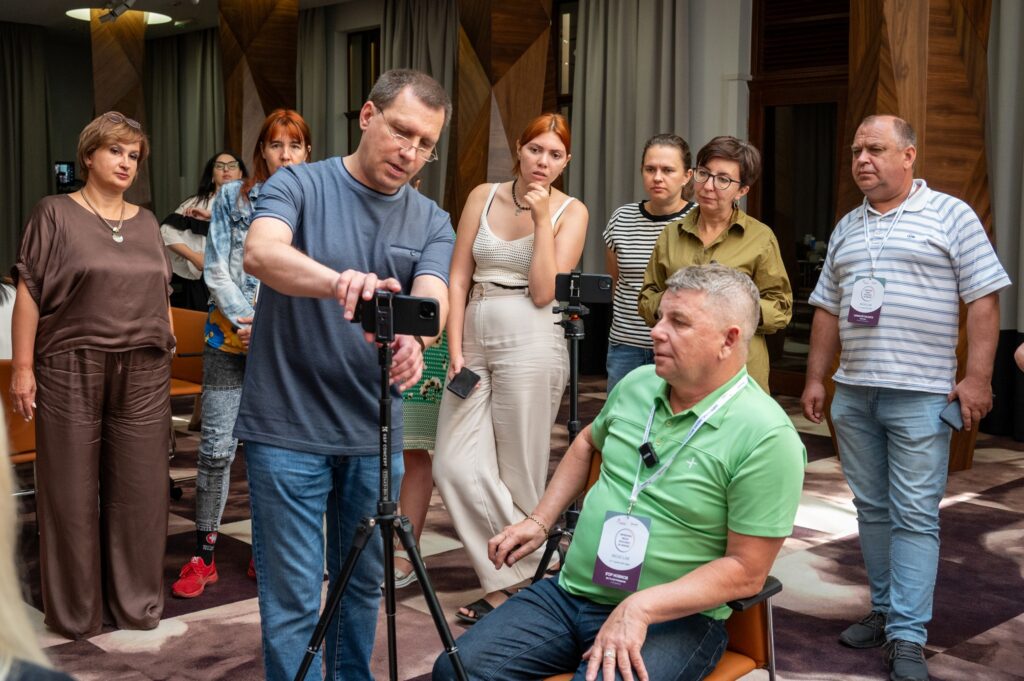
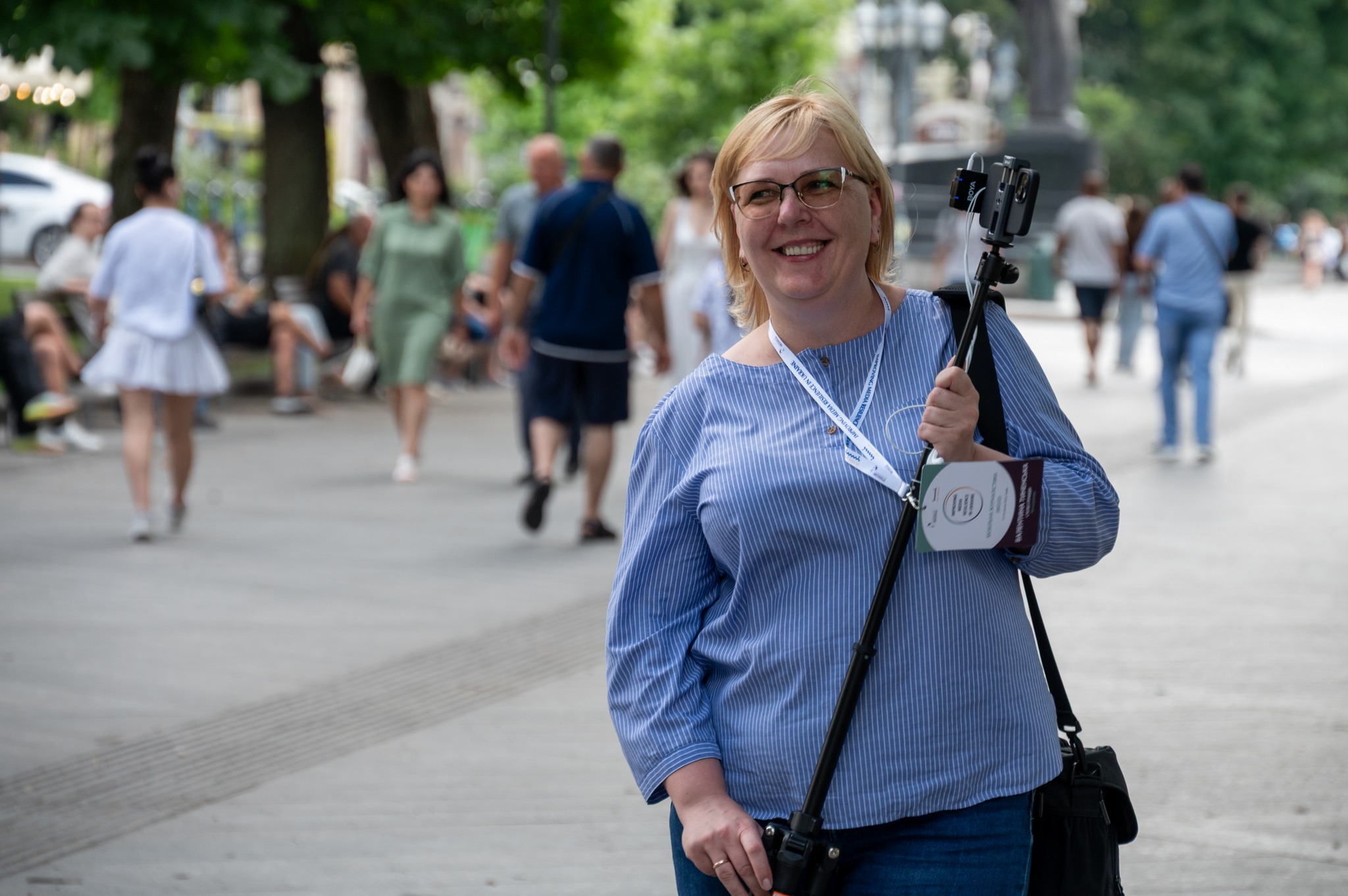
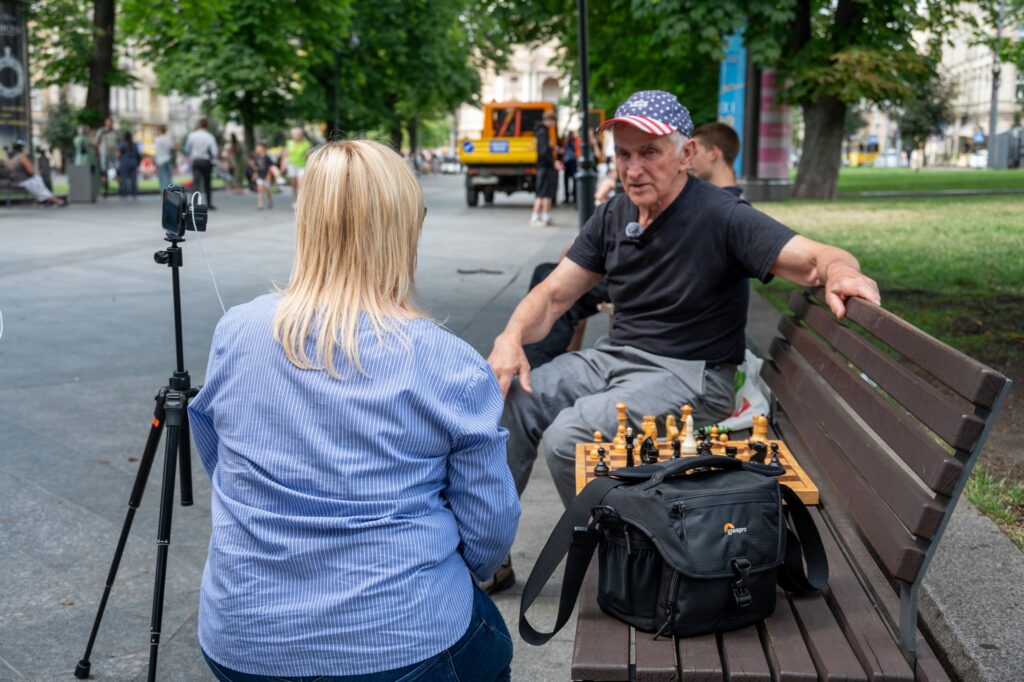
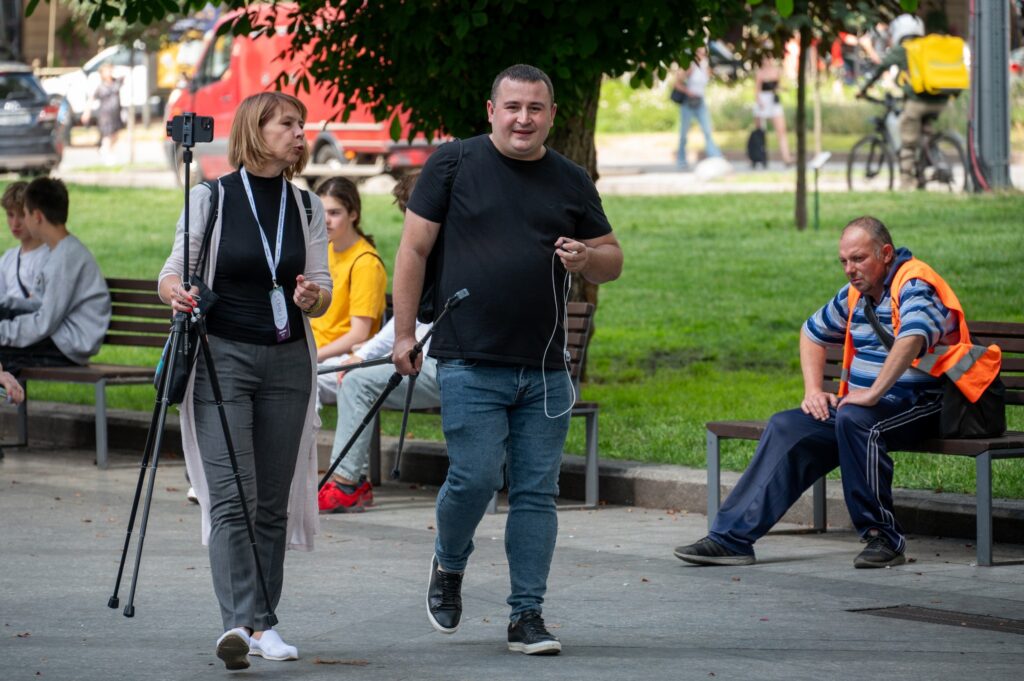
Three days with MOJO. Lviv has hosted the third production training for journalists who have already mastered mobile journalism, recognised its advantages, film videos daily, yet refuse to rest on their laurels. This multi-day laboratory was designed to refine their smartphone filming and editing expertise.
Journalists from various regions of Ukraine worked in pairs, as in previous sessions: each brought partial footage from their home city, with collaborative work continuing through filming in Lviv. This time, the emphasis was on sound: participants learnt to balance audio on smartphones and mastered useful new applications. Contemporary filming techniques were designed to add dynamism to stories, enhance panoramic shots, and professionalise stand-ups. Sessions covered the importance of proper lighting and filming whilst in motion. Moreover, working in pairs during editing allowed journalists to support one another and share experience and skills, participants said.
These days flew by in an instant for you, as they did for our team, didn’t they?
Yulia Savva, Gard.City: “Video journalism is tremendously convenient, brilliant and offers so many possibilities. I primarily worked with text before, but now we’re adding significantly more video content. Beyond YouTube, we have Instagram, Reels, we’ve even ventured onto TikTok. From each of the three training sessions, I take away some ‘wow-discovery’ for myself. For instance, how to create cutaways, balance sound. I use all of this in my daily work.”
Anastasia Kovalchuk, Visti Prydniprovya: “When I was travelling to the first MOJO training, I thought nothing would work out. After several laboratories, with all this wealth of knowledge, when you’re already using graphics, doing stand-ups, working with sound, you feel different. More confident. Because you possess the knowledge, understand approaches and techniques, know which ones to employ in particular situations. Thank you not only for the training but for the positivity. The opportunity to briefly forget about the mundane and become captivated by something new.”
Ksenia Minina, Zhovti Vody.City: “We evacuated from Volnovakha in 2022, left completely without equipment, and before attending the MOJO training sessions, we tried filming on our own. Without a camera operator. Out of habit, we bought a camera that could record video, simply because we’d had one before. And we received our first iPhone through this very project. Now we continue to thrive, perhaps precisely because we’re making videos – both advertising and content relevant to people. The community supports us.”
The training forms part of the Improving Media Resilience in Ukraine Project. Implemented by Fondation Hirondelle (Switzerland) and IRMI, Institute for Regional Media and Information (Ukraine). Funded by Swiss Solidarity.
15 Вер
Mobile Journalism: Raising the Bar
Mobile Journalism: Raising the Bar
Resistance centres, children on the frontline, war memorials and abandoned animals. These are among the stories being crafted by journalist pairs from across Ukraine at this week’s training in Lviv. Each partner filmed footage in their home city before collaborating here – creating videos that resonate with audiences in both locations.
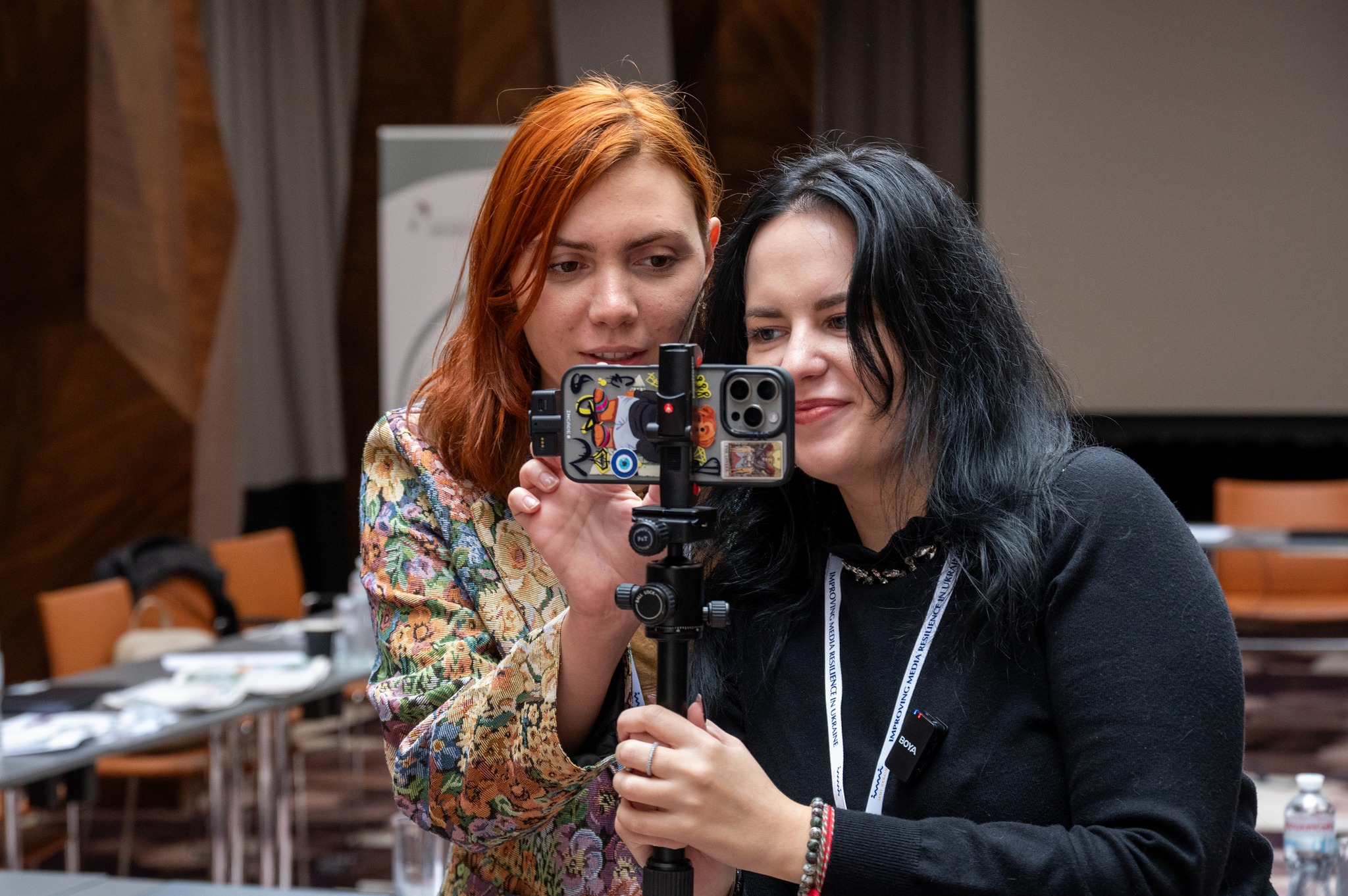
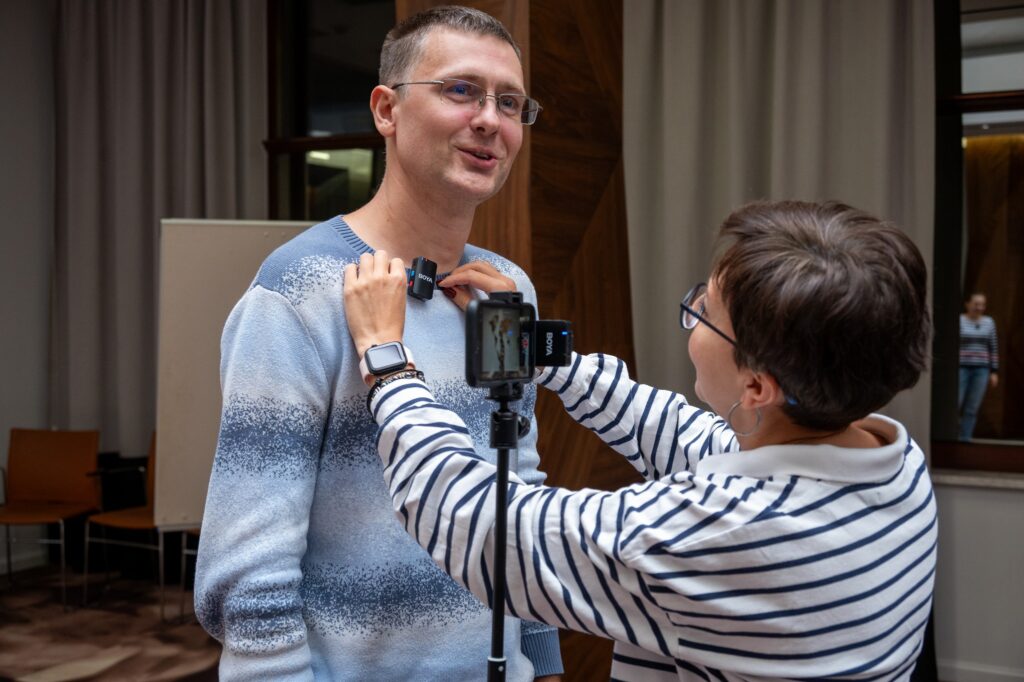
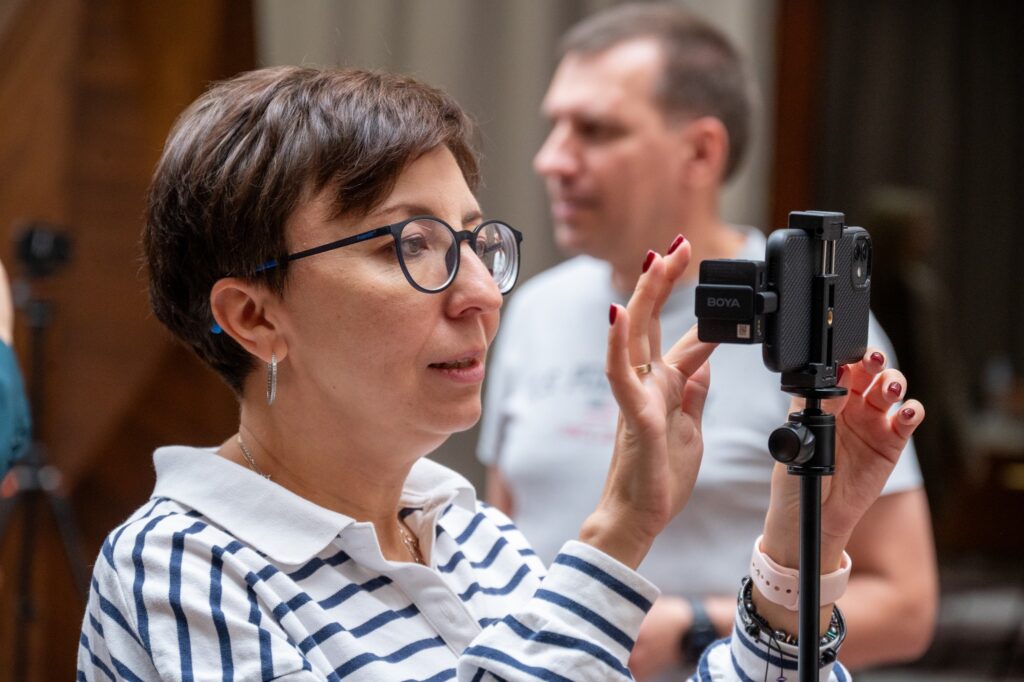
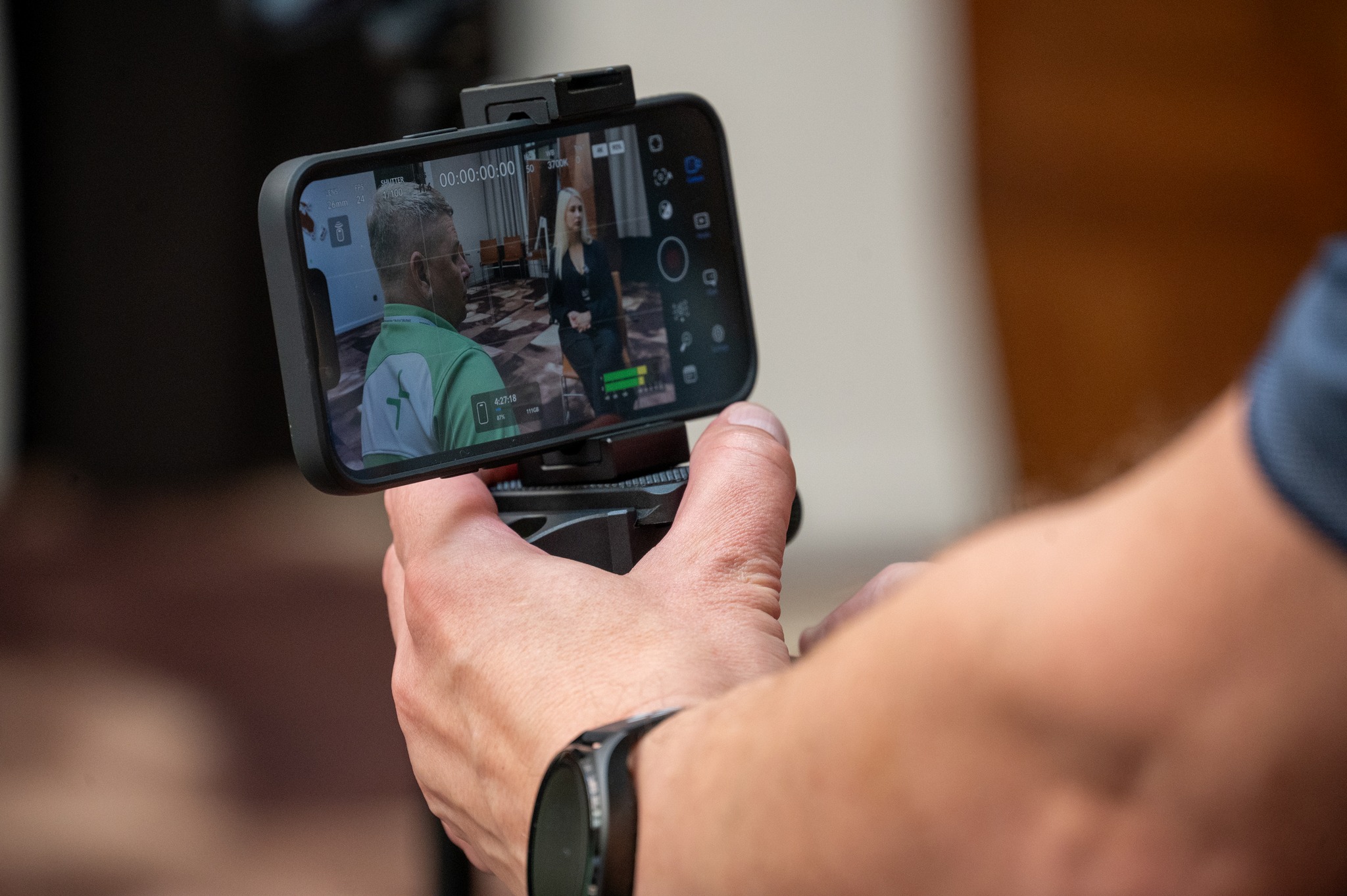
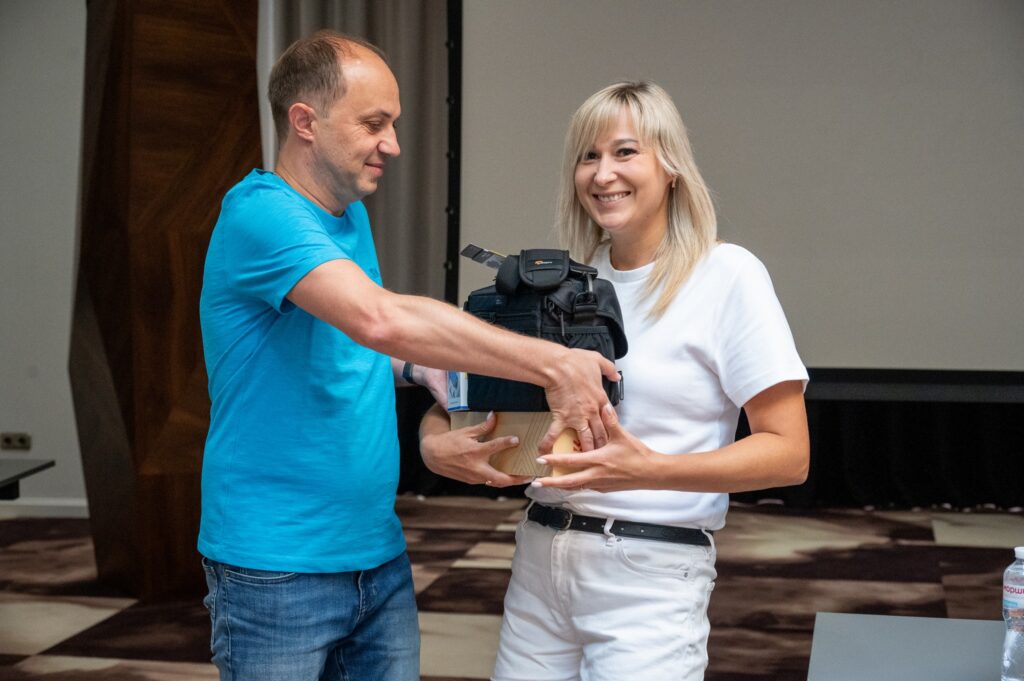
This is the concept behind the mobile journalism training now underway. Experienced journalists and editors are mastering MOJO filming techniques using equipment IRMI provided free to newsrooms at the session’s start. They’re exploring storytelling, learning to film and edit two-phone interviews in any conditions – creating studio-quality content – producing mobile reports, recording professional audio and shooting teaser packages in pairs. Each newsroom also received modern wireless microphone systems.
“Print journalists struggle to think visually,” says trainer Olena Astrakhovych. “They need skills in story development, understanding how to hold viewers’ attention and convey the authors’ message.”
Since our first MOJO training sessions, the professional standard has transformed – journalists’ experience, skills and capabilities have grown significantly. Tasks have become more ambitious: each pair must create a joint story linking footage from two Ukrainian cities, with additional filming in Lviv. The results are impressive. Participants now master live broadcasting with multiple cameras, 4K interview techniques with reframing in post-production, data visualisation and sourcing diverse experts and contributors. Stories have become multi-layered, compelling and relevant across regions. Editing day means selecting material, cutting excess, correcting errors and weaving shots into video narratives.
“Stories have become higher quality, more thorough, with deeper exploration. Topics are more diverse. Work with interviews, titles and graphics shows real confidence,” says Yuriy Vasyliev, IRMI trainer.
Yulia Savva, Gard.City: “This training felt like stepping up a level. More complex stories, new equipment to master. Combining fragments from different regions, even countries, into one narrative isn’t easy. Working in pairs was brilliant – together we managed it. I’d love to learn how others create graphics for their videos – that’s class!”
Natalia Chaika, RIA Pivden: “Journalism without crisis doesn’t exist. Today’s story production was pure crisis management. We handled it reasonably well, though there’s room for improvement. The mentors were incredibly supportive. The journalism community produced incredible stories – especially the minute’s silence piece, which I’ll use as my benchmark.”
Yana Lazoryk, TRK RAI: “Another brilliant, productive training. I value working with colleagues from different regions, newspapers, radio and TV – their work in hot zones is inspiring. Today’s winning story absolutely deserved first place. It demonstrates incredible dedication, strength and resilience from colleagues in conflict areas. Thank you for sharing your experience.”
The training is part of the Improving Media Resilience in Ukraine Project, implemented by Fondation Hirondelle (Switzerland) and IRMI, Institute for Regional Media and Information (Ukraine). Funded by Swiss Solidarity.
17 Лип
MOJO: Breaking New Ground
A fresh cohort has joined our second mobile journalism training for media professionals eager to embrace MOJO. The challenge: in just four days, participants must progress from basic camera skills to producing broadcast-quality content for their newsrooms. These are genuinely motivated journalists, determined to harness mobile journalism to enhance their outlets’ content.
Day one saw participants receiving MOJO equipment for their newsrooms, with trainers helping configure the kit. They practised techniques, filmed pieces to camera, interviewed each other and edited footage. They shared experiences, celebrated small victories. Morning sessions reviewed first edits, correcting mistakes.
The real excitement? Field work. Finding stories and contributors in everyday life whilst mastering technology against the clock. Each journalist chose their angle: relocated businesses turning crisis into opportunity; gratitude to soldiers; inclusion; youth centres creating opportunities for self-realisation. All themes addressed social cohesion and recovery. Filming their stories, journalists deployed every tool from the training – writing stand-ups, voiceovers, vox pops, street interviews across Lviv. They drafted scripts, recorded narration, edited and refined. For many, this was their first MOJO experience, yet despite challenges, trainers deemed the results impressive.
The story festival winners:
Diana Kovalenko (Tochka Dostupu, Kropyvnytskyi)
Maryna Bezpalchenko (Myrhorod City TV Studio)
Oleksandr Solomko (Na Mezhi, Yampil)
Though everyone received sweet prizes for excellent work.
Natalia Shutko, Nash Krai (Lypova Dolyna): “Multimedia content is media’s future. I’m grateful I’ve learned this – we’ll implement it, perhaps even monetise it eventually. Special thanks for the equipment – we never dreamed of having such kit.”
Diana Kovalenko, Tochka Dostupu (Kropyvnytskyi): “Nerve-wracking – constantly worried something wouldn’t record, no sound – one speaker interview failed completely. But we could experiment, play, learn, strive for better. Brilliant experience. I can already see myself covering events, getting great shots. Our outlet will have much better content.”
Tetiana Diuh, Versii (Ivano-Frankivsk): “Challenging. I didn’t know how to handle equipment, most terminology was foreign. Intensive learning, never enough time. Valuable experience – you can write volumes, but distilling essentials into three minutes, telling stories through other voices, not your own – that’s crucial. I’ve much to learn, but I will.”
The training is part of the Improving Media Resilience in Ukraine Project, implemented by Fondation Hirondelle (Switzerland) and IRMI, Institute for Regional Media and Information (Ukraine). Funded by Swiss Solidarity.
9 Лип
Solutions Journalism: Finding Ways Forward
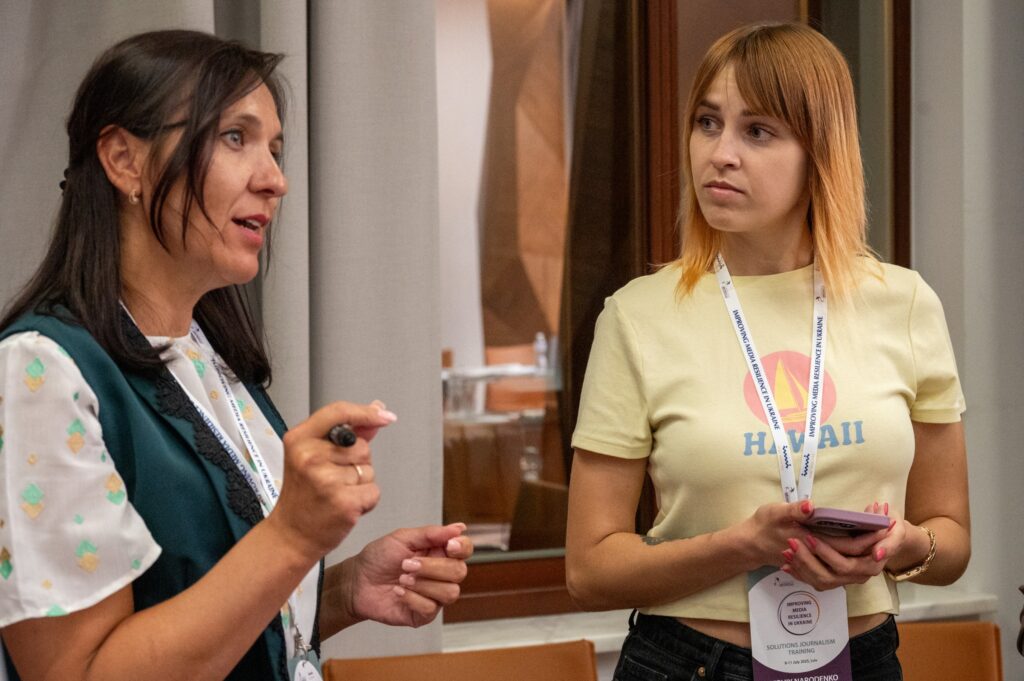
This week in Lviv, eighteen regional and hyperlocal media editors are exploring solutions journalism (SoJo) as part of the Improving Media Resilience in Ukraine Project.
Why solutions journalism? IRMI research confirms what other media studies show: audiences are abandoning negative news for stories that offer practical solutions. With the project focusing on social cohesion, reconstruction and rebuilding, participants are learning tools to build media trust, tackle community problems and offer genuine pathways forward. SoJo shows that the journey matters as much as the destination. It’s about engaging communities, motivating action and fighting disinformation.
Participants examined SoJo principles and how they differ from constructive journalism. Working groups analysed international examples, debated formats and tools, and attended the premiere of “Pages of Hope” – a film about frontline publications including Trudova Slava and editor Svitlana Karpenko.
Key questions emerged: What links investigative journalism and SoJo? What challenges face Ukrainian media practising solutions journalism? How can outlets engage audiences and identify topics suited to this approach? Trainer Minal Thakur (Transitions Online, Czech Republic) delivered practical exercises alongside methodology, demonstrating how to transform problem-focused stories into solutions journalism.
Nazariy Vivcharyk, Procherk: “Perfect blend of theory and practice. Analysing colleagues’ work – what’s missing, how to restructure – was invaluable. Surveys combined with text produce brilliant results. And the topics were refreshingly diverse – not just war, but women reviving traditional crafts.”
Vladyslav Lesyk, Rubryka: “This sharpened my solutions journalism skills. The key: focus on insights and challenges. Include multiple voices, avoid idealising solutions. Show communities several paths forward.”
Pavlo Sukharev, TRK Nadiya: “Solutions journalism puts problems, not people, at the centre. The four pillars structure content effectively for 2-4 minute pieces. Covering limitations, risks and community impact is crucial. Even failed initiatives teach valuable lessons – they’re warnings about risks and pitfalls.”
Minal Thakur, trainer: “Solutions journalism works locally as well as globally. It builds audience engagement, strengthens community bonds and restores trust. These local and hyperlocal outlets need this powerful tool now more than ever. When people feel overwhelmed by negative news, solutions journalism offers hope, inspiration and energy – keeping them engaged.”
The training is part of the Improving Media Resilience in Ukraine Project, implemented by Fondation Hirondelle (Switzerland) and IRMI, Institute for Regional Media and Information (Ukraine). Funded by Swiss Solidarity.
14 Бер
The Power of Local Stories: Ukrainian Media Navigate War and Reconstruction
The first training of the new cycle in the “Improving Ukrainian Media Resilience” project was held in Lviv, bringing together 19 media organizations from various regions of Ukraine, including frontline areas.
The event featured constructive discussions about challenges journalists face in communities and sharing experiences of covering social cohesion issues during wartime. Participants forecast how professional media might develop, particularly regarding community interaction and people’s information needs. The key session focused on journalism oriented toward public interest. How can media better meet local information needs while maintaining high editorial standards? Trainers Angelina Soldatenko and Olesia Hudzenko emphasized the importance of covering topics related to reconstruction, security, and community resilience. During a brainstorming session, journalists proposed specific topics, angles, and formats for developing stories, identifying issues of greatest concern to their communities. These included distribution of reconstruction funds, humanitarian aid, and local success stories.
According to sociologist Olesia Hudzenko, the training’s goal was to teach journalists to recognize and cover manifestations of community cohesion in their publications: “The ability to distinguish between cohesion and activism allows journalists to better understand social processes in a community. Social cohesion is trust, a sense of belonging to the community, mutual assistance, and readiness to participate in community social life.” Cohesion forms the foundation for creating stable community relationships and solidarity, while activism promotes social change. Ms. Hudzenko believes that by understanding these differences, journalists can more effectively contribute to strengthening their communities through their publications.
The first day concluded with a practical assignment for participants—finding potential stories in Lviv that illustrate social cohesion principles. The final two days covered disinformation, SEO, tools usage, and AI ethics. According to feedback, each participant identified what was most valuable for them: some appreciated working with platforms, others enthusiastically engaged in discussions about relevant community topics, while others reflected on what sociologists shared.
Tetiana Luchynska from “Mayak” (Bohodukhiv) says: “Personally, it’s not easy for me to understand terms, for example, regarding SEO. But compared to the beginning of the training, my ratings improved by one or two points. I’ve been working intuitively on the platforms we discussed, so participating in this project is truly a gift of fate. Over the past three years, we’ve grown significantly, with a YouTube channel that’s developing, albeit slowly, along with Telegram, Facebook, and TikTok. These trainings allow us to move forward. We developed many topics with colleagues and gained inspiration. I wish everyone success!”
“Social cohesion, security, and reconstruction—I can already envision topics I could propose in my communities. This was the most useful part during these days,” believes colleague Svitlana Karpenko from “Trudova Slava” (Orikhiv). “The sociology was also interesting; we need to conduct surveys in communities and see what the results will be. As for YouTube and SEO, we’re still at the beginning.”
In training journalists, IRMI also aims to help develop trainers and mentors from among the most active participants in our programs. Last year, journalists from several hyperlocal media outlets in Dnipropetrovsk region worked in a hub based at the “Visti Prydniprovya” editorial office (Dnipro, editor Oleksii Kovalchuk). This time, the project marked the mentoring debut of Olena Astrakhovych, a TV journalist from Odesa.
“Social cohesion is the most important topic in Ukraine today, from families to cities, the entire society,” comments Ms. Olena. “We really need to support each other, to feel that someone is nearby. We are journalists, and at the same time, part of this same society, perhaps the most conscious part. So we need to be at the forefront, looking for topics and ideas that will unite people, help them overcome problems during the war and in the future during reconstruction.”
The training was held as part of the “Improving Ukrainian Media Resilience” project that IRMI is implementing in partnership with Fondation Hirondelle with financial support from Swiss Solidarity. The project aims to preserve access to reliable information for the Ukrainian population, including those in conflict zones and displaced communities.
10 Бер
In Search of the Perfect Shot: Hello, MOJO!
This Lviv-based Mobile Journalism (MOJO) training kicked off on March 8, and by a wonderful coincidence, the current group consisted exclusively of female journalists – a perfect opportunity to celebrate International Women’s Day through professional development.
We began by exploring the possibilities MOJO offers to media outlets and how to use them effectively. Participants studied basic principles of framing and editing, constructing the perfect interview shot, and techniques for capturing illustrative footage.
We discussed content development with interviews as the primary tool. Training participants practiced conducting interviews on sensitive and relevant topics, applying professional standards while considering the specifics of working in emergency conditions. The hands-on experience of filming interviews and illustrative videos was particularly valuable, especially learning efficient and quick editing techniques.
Anna Kravchuk from misto.media (Lutsk) shares: “Although I worked in television as a journalist, I now understand the comprehensive work of a videographer. When we arrived at shoots, I would simply say – we need to film this and that. I never considered how many factors need attention – lighting, background, noise. Where I should stand and why. Now I understand what to know before turning on the camera. It’s challenging when you do everything yourself – developing the idea, filming, editing, and recording voiceovers. But afterward, you feel proud that you can accomplish so much independently and with quality – creating content that genuinely interests and engages viewers. This experience is invaluable.”
A significant portion of the training was dedicated to practical work: participants practiced advanced filming techniques, learned to create professional stand-ups, and mastered video editing skills. Each participant created a short video story exploring various aspects of social cohesion in Lviv – from the city’s history and residents to current social issues. Discussing the results – identifying successes and challenges – and selecting the best stories formed an equally important part of the learning process.
Irada Akhadova from Odesa’s “Life Compass” noted that her previous work lacked technical nuance: “You film and edit, but the final product doesn’t look cohesive,” says Ms. Akhadova. “You don’t understand the problem or where mistakes occurred. Or something bothers you about the story, but you can’t identify what exactly. At this training, I learned the nuances I was missing. This knowledge gives you a clear understanding of what your final product should achieve.”
Marianna Shkavron from the Horodok TV and Radio Press Center (Khmelnytskyi region) had long wanted to learn filming techniques: “I had some experience – colleagues showed me things, but these were all disconnected fragments. Now the puzzle has come together. This was my first experience with comprehensive story preparation from start to finish. Very interesting.”
“Journalists, especially from frontline territories, have very few opportunities to learn something new today,” comments Darina Melnychuk from MykVisti (Mykolaiv). “Even just to switch off and rest is difficult. Thank you for the new knowledge and also for this retreat. The opportunity to meet colleagues and exchange experiences was invaluable.” The training was conducted as part of the project “Covering Social Cohesion – Strengthening the Capacities of Ukrainian Media,” developed and implemented by the NGO “Institute for Regional Media and Information” in partnership with UNESCO and with the support of Japan. The program is part of UNESCO’s broader efforts to support the safety of journalists and freedom of speech in Ukraine. Our partners in the project are the National Union of Journalists of Ukraine (NUJU) and the NGO “Promotion of Intercultural Cooperation.”
7 Бер
Building Bridges: Ukrainian Journalists Navigate Social Cohesion in Wartime
A roundtable titled “Covering Social Cohesion – Strengthening the Capacities of Ukrainian Media” brought together Ukrainian and international journalists, sociologists, civil society leaders, and human rights defenders to discuss challenges and dilemmas facing local media in crisis conditions. Can media contribute to social cohesion, or should they simply document the problems communities face?
How do journalists from regional and hyperlocal media understand social cohesion? Can media strengthen community cohesion, or should they only document challenges communities encounter? What problems prevent newsrooms from working more professionally, especially during wartime, and better meeting audience needs? The discussion was based on research findings about what Ukrainian editors and journalists know about social cohesion and how they view their role in strengthening it in communities. This research was conducted by the NGO “Promotion of Intercultural Cooperation” (PIC) commissioned by IRMI in partnership with the National Union of Journalists of Ukraine as part of the project “Covering Social Cohesion – Strengthening the Capacities of Ukrainian Media” with support from UNESCO and Japan. Researchers Tetiana Kryvosheia, Oleksandra Deineko, and Viktoriia Balasanian presented the results.
Key Research Findings
The research, which included interviews with media experts, focus groups with journalists and civil society representatives, and a survey of 262 journalists from different regions of Ukraine, revealed how Ukrainian media professionals perceive social cohesion and their role in shaping it.
– Understanding the concept: Journalists define social cohesion primarily as mutual assistance (86.6%), having common goals (85%), willingness to overcome difficulties together (83.8%), and active civic participation.
– Perception of their own role: Most respondents (70.9%) believe they should actively contribute to strengthening social cohesion during wartime, with another 22.8% partially agreeing. However, more than a third (35.8%) couldn’t clearly assess media’s impact on social cohesion in Ukraine, indicating limited reflection on this topic in the journalistic community.
– Impact of local and national media: 67.9% believe that local media contribute to strengthening cohesion in communities, while only 22.4% think national media strengthen societal cohesion.
– Content that unites: Journalists identified key topics that strengthen community bonds: stories about mutual assistance during crises (91%), local volunteers and defenders (91%), veteran integration (89%), and community development (81%).
– Content that divides: The most challenging topics that risk weakening cohesion include corruption, mobilization, luxury lifestyles during wartime, religious conflicts, and regional differences.
– Professional challenges: Psychological exhaustion (89.2%), financial instability (83.2%), and staff shortages (79.1%) limit media’s ability to effectively promote social cohesion.
“Comparing our results with previous audience research shows similar views on what strengthens and weakens cohesion in communities,” noted Oleksandra Deineko. “This unity of opinion is manifested primarily in topics whose coverage can help strengthen cohesion at the local level. These studies serve as a roadmap for regional newsrooms seeking to improve communication with their audiences and become a bridge connecting government and civil society.”
Panel Discussions and Expert Perspectives
During the roundtable, several panel discussions took place where journalists and experts shared their views and assessments of the situation.
On Social Cohesion During War
Experts including Hanna Krasnostup from the Ministry of Culture and Strategic Communications, Alyona Horova from the Institute for Peace and Understanding, and journalists Oleh Dereniuha (MykVisti, Mykolaiv) and Viktoriia Shatylo (Thebuchacity, Bucha) discussed practical aspects of maintaining community connections during war. They explored how local media find ways to unite communities despite working in extreme conditions.
On Society and Law During and After War
Oleksandr Pavlychenko from the Ukrainian Helsinki Human Rights Union, Alyona Lunyova from the ZMINA Human Rights Center, and Yurii Usmanov from the Center for Research on Legal Issues of Transitional Justice discussed the legal framework affecting media operations during war, examining how journalists balance freedom of expression with security considerations during conflict.
On Community-Oriented Media
Journalists Tetiana Luchynska (“Mayak,” Bohodukhiv), Maryna Osipova (“Visnyk Ch,” Chernihiv), Nazarii Vivcharyk (“Procherk,” Cherkasy), and Yuliia Vynokur (TV-4, Ternopil) shared their experiences working with communities, discussing how their understanding of local needs shapes their approach to strengthening social cohesion.
On International Experience
Correspondents Daniel McLaughlin (The Irish Times), Joanna Kakissis (National Public Radio, USA), and Brendan Hoffman (The New York Times) provided valuable international context, explaining how journalists in other conflict zones approach covering social cohesion and offering insights into Ukraine’s unique challenges and opportunities.
Tetiana Kryvosheia, lead researcher from PIC:
“The Ukrainian media sphere is undergoing massive transformations under the pressure of war, economic instability, and information threats. Local and hyperlocal media remain closest to their communities and maintain high levels of trust, but is this enough for their viability? Our research results show that contemporary challenges for regional media extend far beyond financial instability. Journalists face staff shortages, high levels of professional burnout, and limited access to official information. At the same time, they need new knowledge: how to work in digital transformation conditions, how to cover sensitive topics, and how to balance truth with social responsibility.”
Angelina Soldatenko, Head of IRMI:
“This is our second study on social cohesion commissioned by IRMI – the first was in partnership with Fondation Hirondelle. At that time, we studied the perception of social cohesion in 23 Ukrainian communities, mostly frontline ones. Today, lively discussion centered on comparing these two studies – the public demand for quality information on one hand, and journalists’ view of their role and capabilities in covering social cohesion on the other. Local media undoubtedly were and remain an important source of information needed by people during war, a platform for communication, and for uniting communities forcibly separated by evacuation. The level of trust in them remains quite high.”
Frontline Media and Divided Communities
The key panel “Frontline Media and Communities Divided by War,” moderated by Liubov Rakovytsia, head of the Donbas Media Forum organizing committee and head of NGO “DII-Ukraine,” featured journalists from frontline regions and communities divided by war. Svitlana Zalizetska (RIA Pivden, Melitopol), Oleksii Pasiuha (Vorskla, Velyka Pysarivka), Svitlana Karpenko (Trudova Slava, Orikhiv), and Maksym Zabielia (Ridne Misto, Myrnograd) shared their experiences working in communities divided by occupation or under constant threat. The discussion highlighted the unique challenges journalists face in frontline regions, including maintaining communication with dispersed audiences, covering the sensitive topic of collaboration, and finding ways to unite communities physically divided by war.
During a brainstorming session, participants developed strategies for covering sensitive issues that media often avoid.
Journalists Speak
Oleksandra Shylova (PTV, Poltava):
“These days were so valuable for me! I think we write and film too little about displaced people in communities. Not about humanitarian aid that can be obtained somewhere, but about how they should preserve their identity, and how we should help them do that.”
Olena Astrakhovych (TRK GRAD, Odesa):
“The need to cover opposing views and positions will grow over time. For example, regarding people in occupied territories, collaborators, and similar issues. I’m grateful to our foreign colleagues and experts for their experience. Also, I think by covering the work of various civil society organizations, we can give them the opportunity to unite projects and efforts.”
Svitlana Karpenko (Trudova Slava, Orikhiv):
“We media from the south and east don’t consider ourselves heroes. We simply stay with our communities, do our duty – we can’t do otherwise. And we’ve never expected support from the state. All we want is for it to create conditions that would allow us to work normally. This includes Ukrposhta and taxation. I think we’ll eventually reach something through joint efforts.”
Maksym Zabielia (Ridne Misto, Myrnograd):
“Thanks to these two thorough studies, we’ve been able to explore the topic of social cohesion more deeply. How exactly do we cover community problems? How much attention do we give them? What different perspectives should we perhaps bring to this? How can we find new opportunities to unite communities, especially for those occupied or divided by the frontline? I thank colleagues for the unity I feel here, for the words of support. You realize you’re not fighting alone.”
Svitlana Zalizetska (RIA Pivden, Melitopol):
“The topic of social cohesion is very relevant for us. It turns out that our audience has dispersed. What do people think and say about those who stayed and those who left? That’s why yesterday’s discussion about collaboration, in which I also participated, was very valuable. Today as well – these are topics that unite and divide communities. There was a situation where we didn’t intend to intervene in the story of displaced people, we were just following a story, but we ended up raising the issue and influencing the fate of elderly people. I’d like to continue this story as part of this project, because the community is already following the lives of this displaced couple. But will the solution to this problem remain isolated, or will the authorities open a geriatric department in general?”
Maryna Osypova (Visnyk Ch, Chernihiv):
“We’ve always written on social cohesion topics and will certainly continue to do so. Throughout this major project, I want to understand for myself how to cover topics that we all frankly avoid right now. In particular, religion, LGBTQ, and others. We don’t understand how to make these unifying, so we don’t write about them. So my goal is to understand this aspect.”
Nataliia Popovych (Horodok TV and Radio Press Center, Horodok, Khmelnytskyi region):
“Every time during IRMI trainings, we undergo a certain transformation. General ideas narrow down to specific themes, then to concrete details. Also, during the training, you communicate with colleagues and begin to notice things you didn’t see before, though they were right under your feet. These two days, listening to colleagues, I felt proud of them. They show what quality journalism can be, especially in this difficult time. IRMI is involved in many ways – supporting some with knowledge, preserving newsrooms elsewhere. This has given us the opportunity to demonstrate how important local journalism is.”
The Ukrainian version of the research report is available for download.
The project was developed and is being implemented by the NGO “Institute for Regional Media and Information” in partnership with UNESCO and with the support of Japan. The program is part of UNESCO’s broader efforts to support the safety of journalists and freedom of speech in Ukraine. Our partners in the project are the National Union of Journalists of Ukraine (NUJU) and the NGO “Promotion of Intercultural Cooperation.”
International Institute for Regional Media and Information