MOJO для новачків та профі

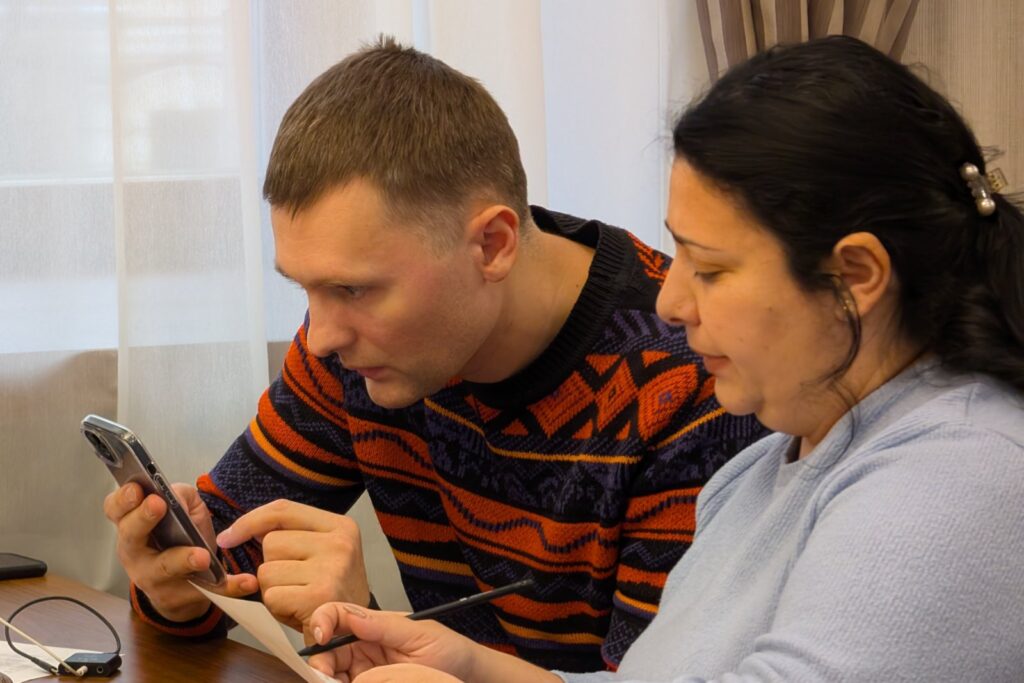
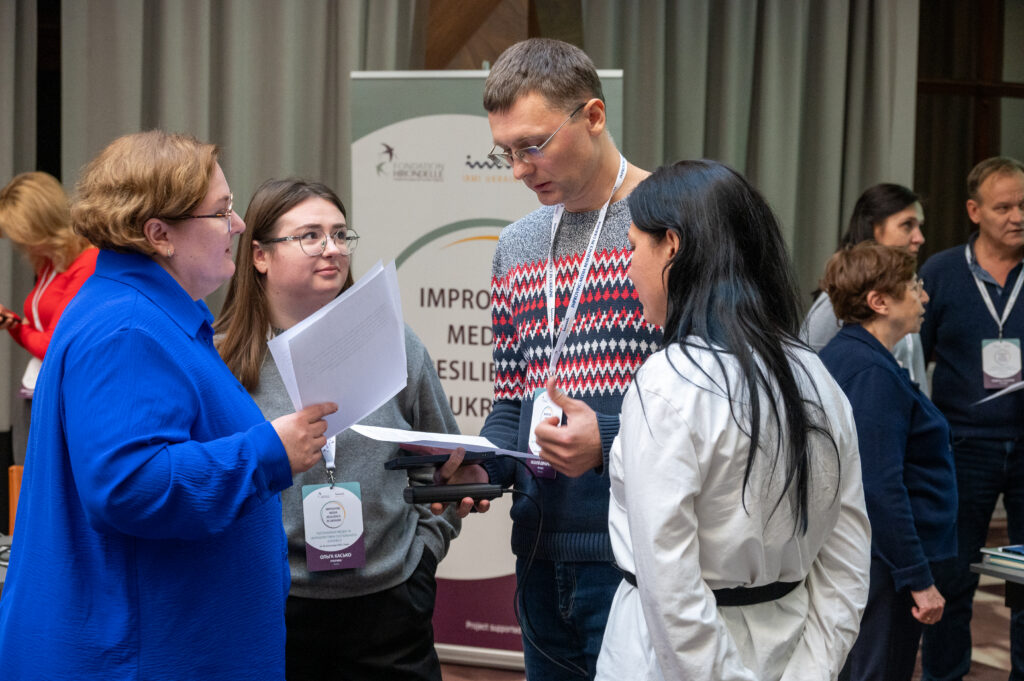
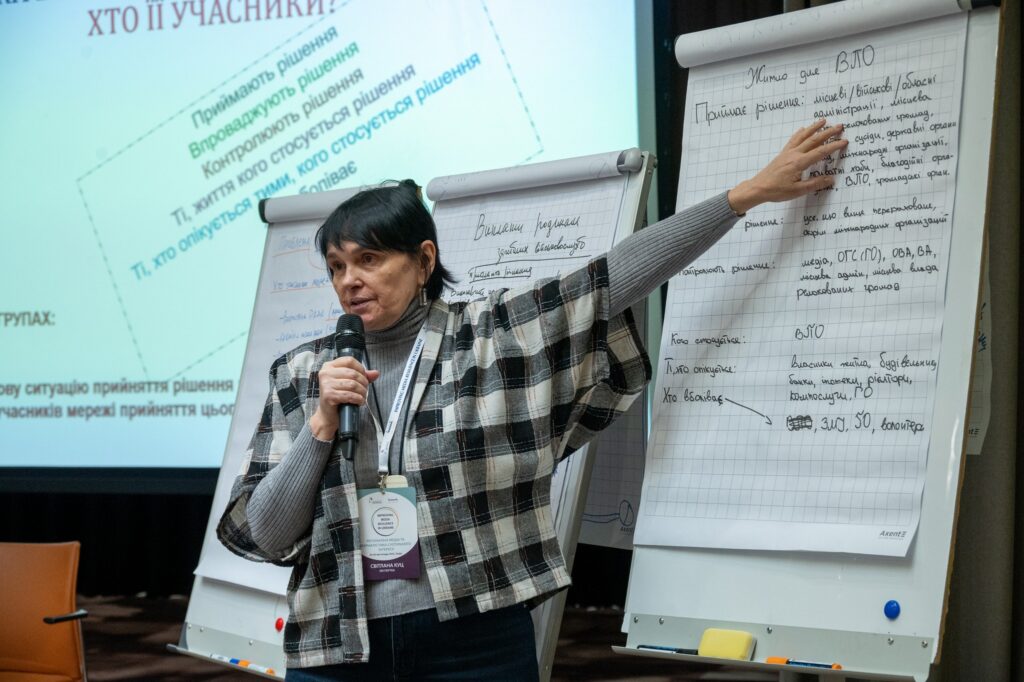
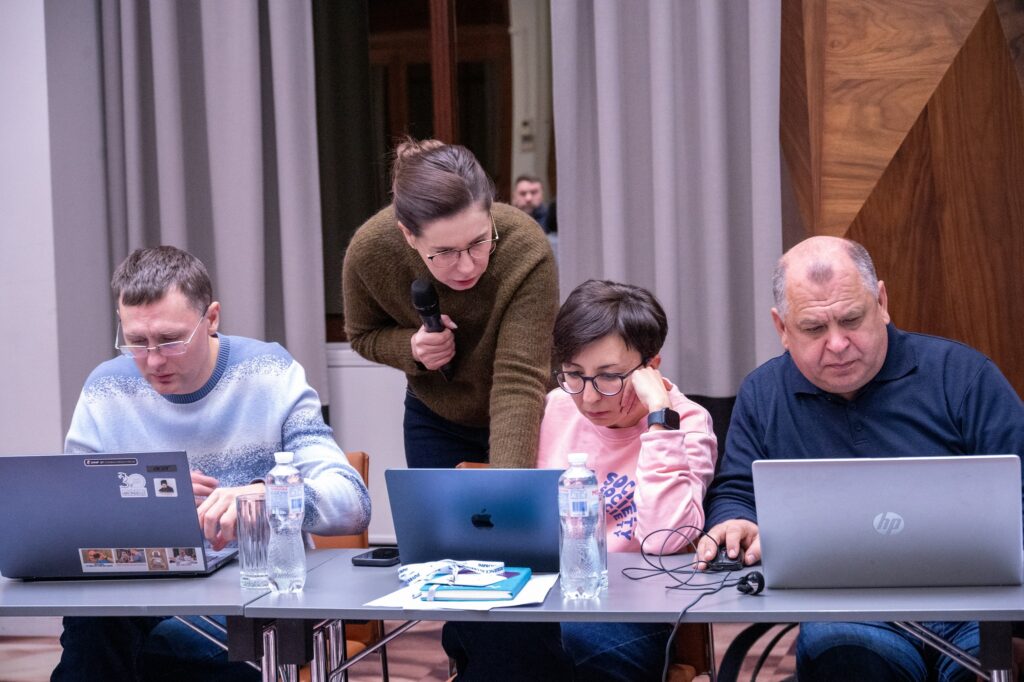
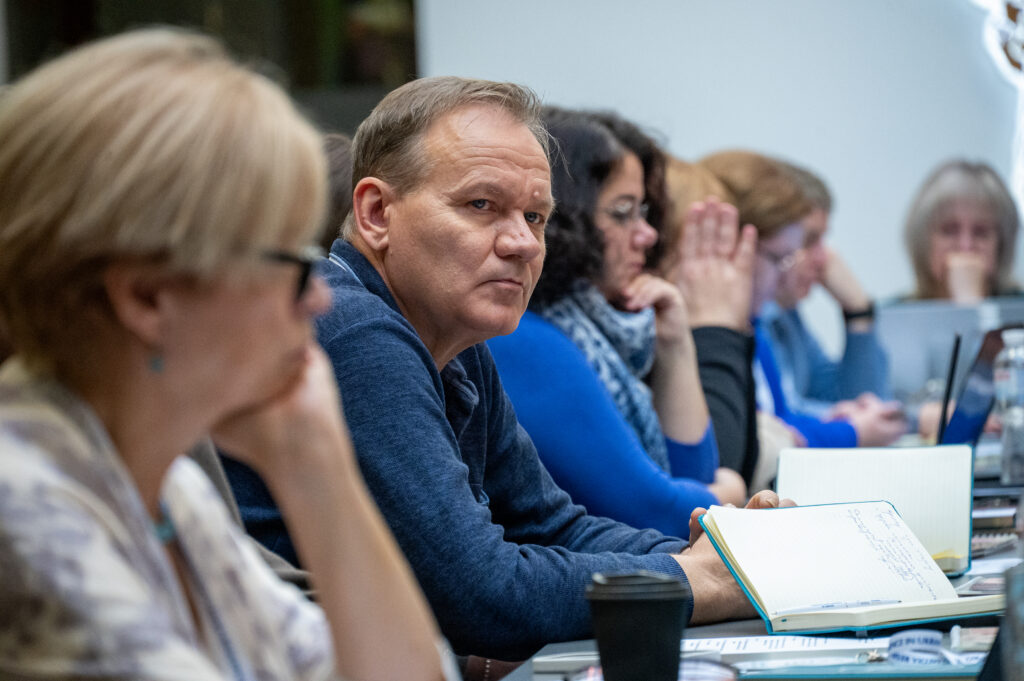
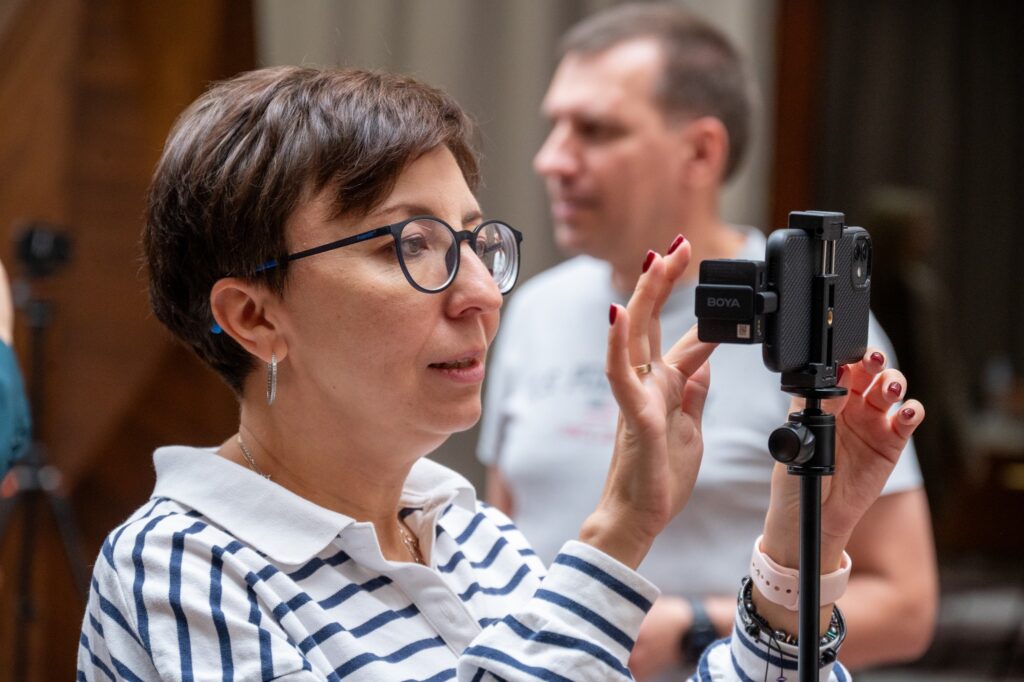
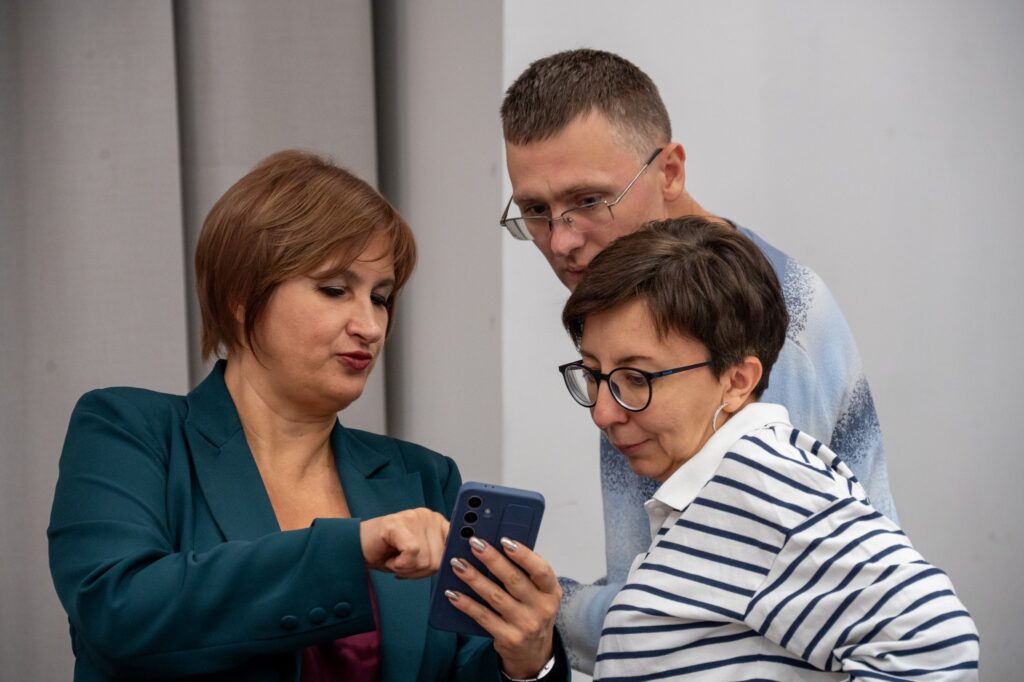
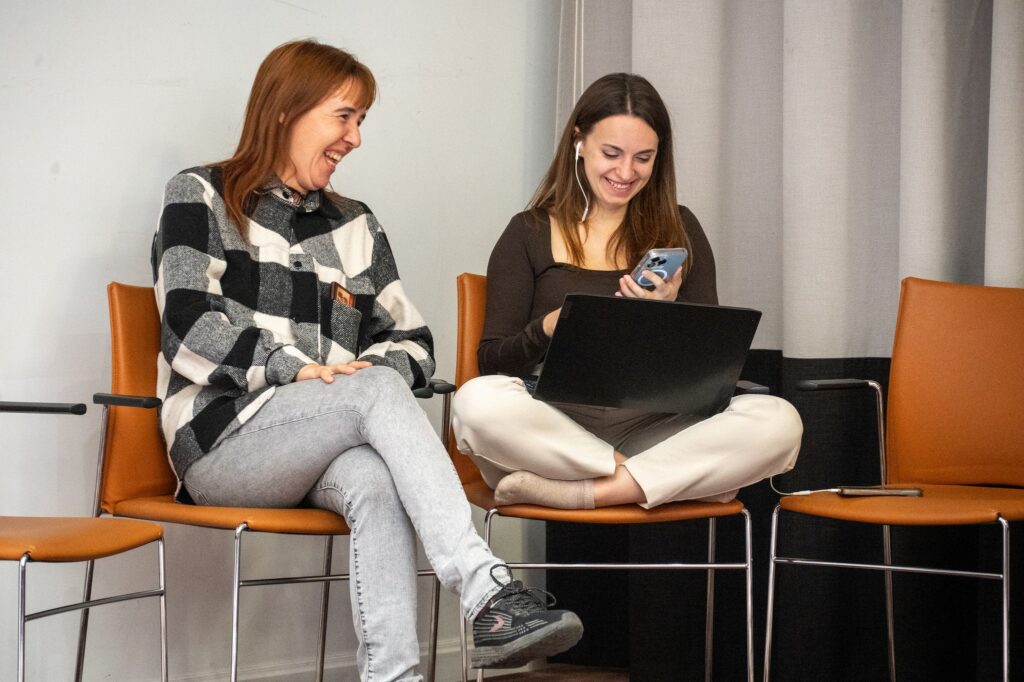
Спільно з Fondation Hirondelle провели навчання медійників, що цікавляться поглибленням навичок зйомки. Власне, тренінг організований для двох груп журналістів, які знімають відео у своїх редакціях, але мають різний досвід з MOJO. Новачки, які роблять свої перші відео й хочуть розвиватися. Й досвідчені журналісти, які вже не перший рік знімають та монтують на смартфоні.

Людмила Федюк, редакторка газети «Карпати» (Чернівецька область), каже: як газетярю, що вчиться знімати відео, цікаво все. «Я підключала дистанційно колег, щоб вони мали уявлення, яким має бути орієнтир на відеоконтент, навіщо він нам взагалі, – коментує журналістка. – Люди хочуть не тільки читати тексти – вони хочуть відео, і ми повинні забезпечити їм цю можливість, якщо хочемо утримати та розширити аудиторію. Додати могла б тільки одне: якби тренінг був довший, було б класно».

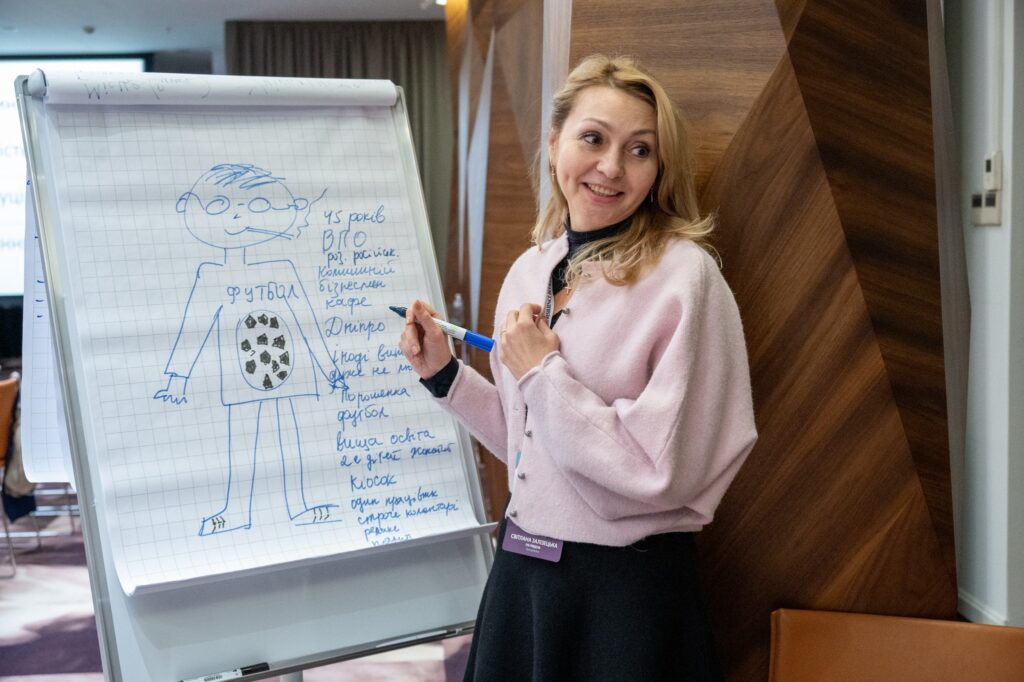
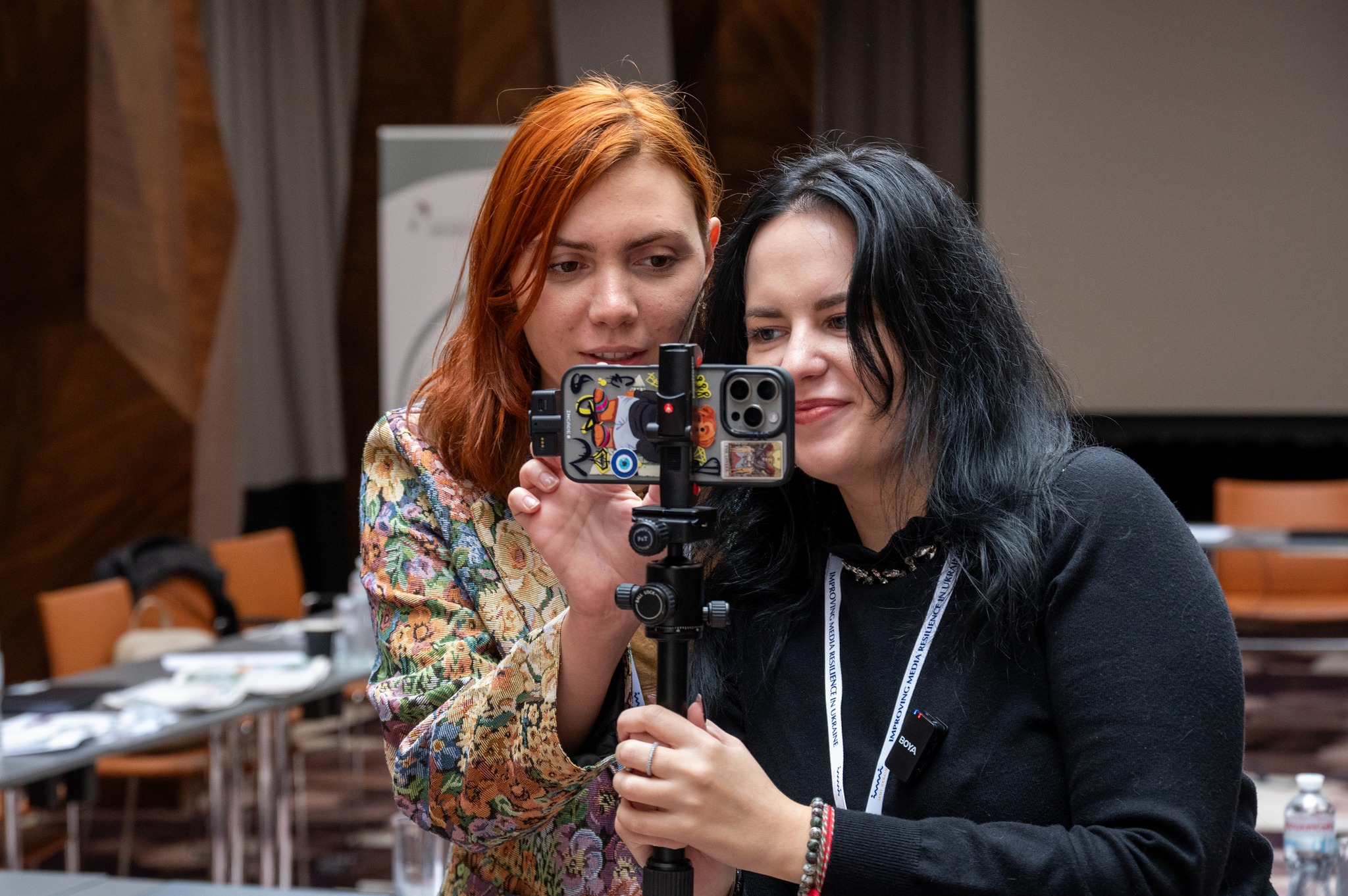
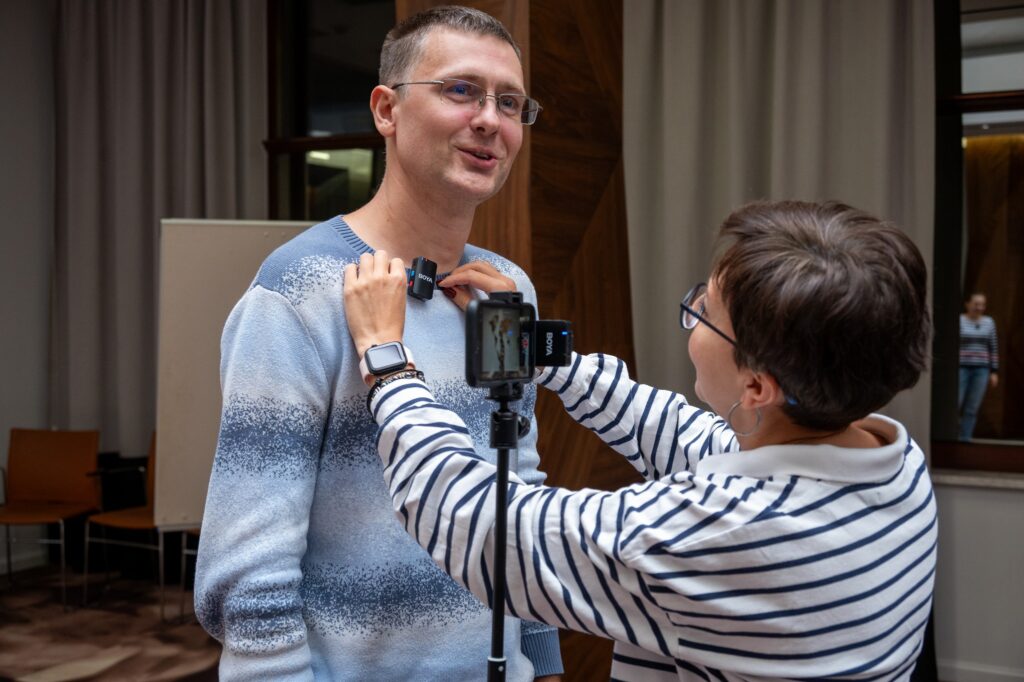
Головний акцент цього разу тренери IRMI та Hirondelle зробили на опануванні нового формату – коротких вертикальних відео для різних платформ. Журналісти вчилися найкращим практикам, опрацьовували зйомки та монтаж, техніки, які використовують саме у коротких вертикальних відео. Як захопити глядача, розповісти яскраву історію.

Юлія Винник, “0512 – сайт міста Миколаєва”:

– Дізналася багато практичного – наприклад, як робити перебивки. Роблю зазвичай 3-5-секундні, здавалося, цього достатньо, але, як виявилось, якісна перебивка має тривати 10 секунд. Про техніки зйомки в русі без використання штативу. Було дуже багато практики, лайфхаків – як монтувати, робити загальний, крупний план. Ми хочемо розвивати, наповнювати наші соцмережі цікавим контентом, короткими відео, давати інформацію якісну, швидко та доступно. Не тільки розповідати про події у місті у великих матеріалах, але й викладати маленькі стислі історії.

Віра Лапа (Городоцький ТРПЦ, «Городок»), за її словами, думала, що вже неможливо підвищити рівень автономності журналіста, який володіє хоча б початковою базою знань з MOJO-журналістики. «Але я це зробила, бо дійсно вперше ходила сама на опитування, – каже журналістка. – Саме вуличне опитування завжди було з оператором. Цього разу я зробила їх два і зрозуміла, що я це можу, у тому числі з технічної точки зору. Люди хочуть більше коротких новин, як текстових, так і відео. І я на власному досвіді побачила, що навіть 15 секунд – це корисніше і ефективніше, ніж, наприклад, хвилина або дві. І тому вміти так сконцентруватися, донести цікаво, зачепити, розказати – це класно! Якщо люди більшість часу проводять саме в соціальних мережах, ніж читають сайти, наприклад, то дійсно, як нам з ними комунікувати? Саме через соціальні мережі, захоплюючи їх увагу і намагаючись все ж таки запросити до того, щоб вони дивилися і наші сюжети, читали наші статті, плюс короткі відео, а до них ще й комунікація через коментарі, які можна залишити під відео. А це означає, що ми будемо краще розуміти одне одного». Тренінг відбувся в рамках проєкту «Посилення стійкості медіа в Україні», що впроваджується Fondation Hirondelle та IRMI, Інститутом регіональної преси та інформації (Україна). Фінансується Фондом «Швейцарська солідарність» (Swiss Solidarity).

Rural youth overcome barriers through their own determination rather than societal support

What do rural young people aspire to, and do they have at least basic leadership skills? Do they want – and are they able – to actively engage in community life? Our team presented a comprehensive study on youth policy and leadership in rural areas of Ukraine’s Danube Region (Chernivtsi, Ivano-Frankivsk, Zakarpattia, and Odesa regions) in Sarajevo at a partners’ meeting of the SMILE Incubator project.

What conclusions did the experts reach?
The first is paradoxical: rural youth are more digitally engaged than urban youth, yet they overcome barriers mainly through personal determination rather than support.
The second is a gap: in rural areas, young men and women are active online but disconnected from formal institutions – 94% donate online, but only 7% have joined youth councils.
The third is a risk: our most successful regions in leadership development are also losing this potential due to migration.

Notably, the highest levels of civic engagement and life satisfaction are found in the Ivano-Frankivsk region. At first glance, this seems like a success. At the same time, this region shows the highest propensity for migration – 6.0 out of 10 points. Nearly half of rural youth do not see their future in rural areas: we are developing leadership potential but not creating local opportunities to retain it.

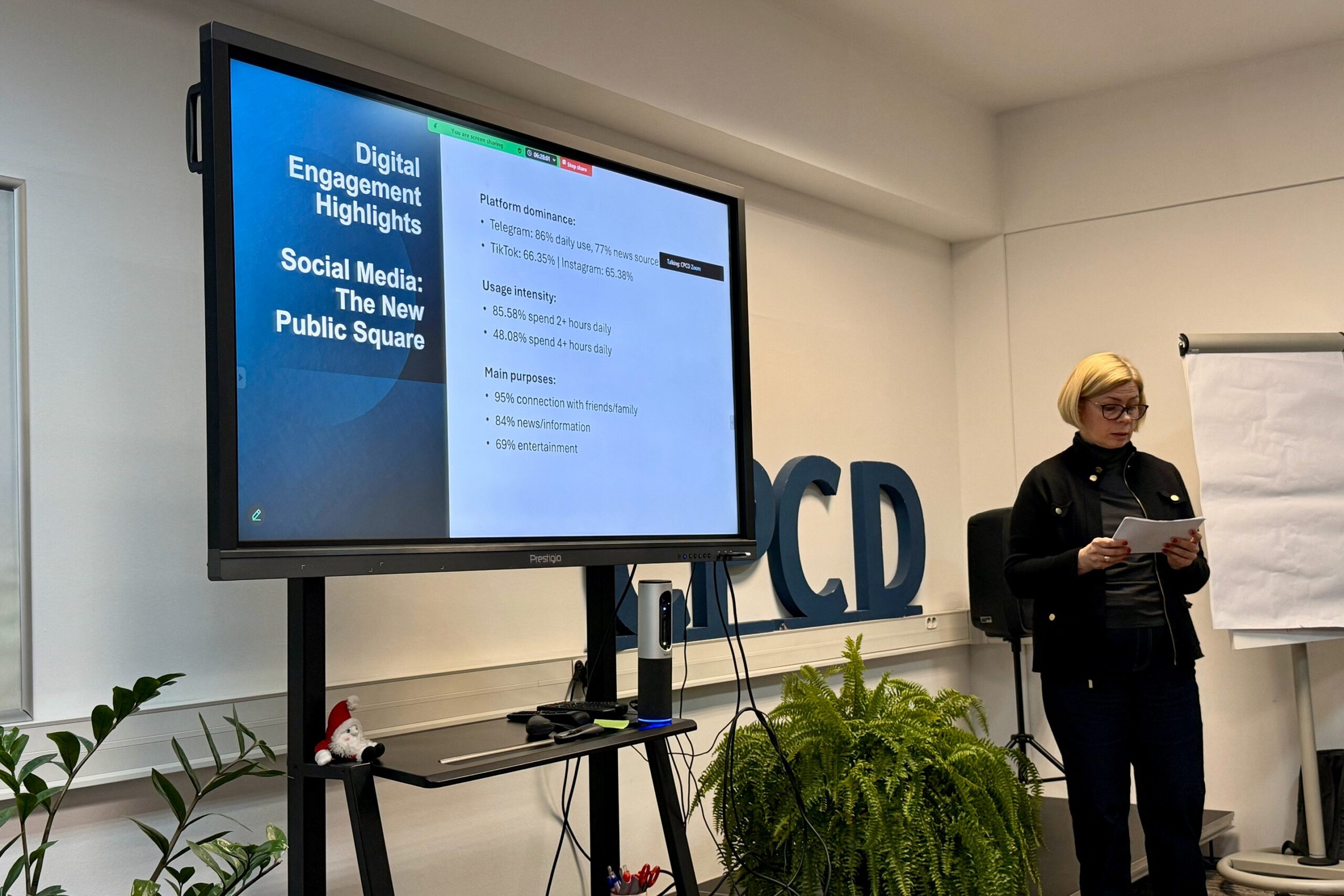
About 60% of rural young people see themselves as future leaders, yet nearly 80% want to improve their public speaking skills; over 60% need digital leadership tools; and 60% want to strengthen their project management skills. The gap is obvious: they have basic digital literacy and know how to use Instagram and Telegram – but only 40% use these tools professionally. Seventy-five percent have never organized an online petition. There is a divide between consumption and creation, between engagement and leadership.

Recommendations were developed for the SMILE Incubator project. For example: use platforms that young people already use (Telegram, TikTok, Instagram) to inform them about formal opportunities; transform basic use of digital tools into professional competencies; connect online and offline activities; and create local opportunities to stop the outflow of top talent.

Official Webpage: https://interreg-danube.eu/projects/smile-incubator
LinkedIn: www.linkedin.com/in/smile-incubator-a3709335b
Facebook: https://www.facebook.com/profile.php?id=61575110481138

#smileincubator #Interregproject #interregdanubeproject #DR #youth #medialiteracy

Сільська молодь долає бар’єри завдяки власній рішучості, а не підтримці суспільства

До чого прагне сільська молодь, чи має хоча б початкові лідерські навички? Чи хоче та має можливість активно долучатися до життя громади? Комплексне дослідження молодіжної політики та лідерства у селах Дунайського регіону України (Чернівецька, Івано-Франківська, Закарпатська та Одеська області) наша команда презентувала у Сараєво на зустрічі партнерів проекту SMILE Incubator.

До яких висновків дійшли експерти? Перший – парадоксальний: сільська молодь більш цифрово залучена, ніж міська, але вона долає бар’єри скоріше через рішучість, а не через підтримку. Друге – розрив: у селах юнаки та дівчата активні саме онлайн, але відірвані від формальних інституцій: 94% донатять онлайн, але лише 7% приєдналися до молодіжних рад. Третє – ризик: наші найуспішніші регіони з розвитку лідерства також втрачають його через міграцію.

До речі, найвищі показники громадянської активності та задоволеності життям – у Івано-Франківській області. Здавалось б, це успіх. Водночас, цей регіон має найвищу схильність до міграції – 6,0 з 10 балів. Майже половина сільської молоді не бачить себе в сільській місцевості в майбутньому: ми розвиваємо лідерський потенціал, але не створюємо місцевих можливостей для його утримання.

Близько 60% сільських юнаків та дівчат бачуть себе майбутніми лідерами, але майже 80% з них хочуть покращити публічні виступи, понад 60% потребують інструментів цифрового лідерства, 60% бажають покращити навички проєктного менеджменту. Розрив очевидний: у них є базова цифрова грамотність, вони вміють користуватися Instagram та Telegram – але лише 40% використовують ці інструменти професійно. 75% ніколи не організовували онлайн-петицію. Існує розрив між споживанням і створенням, між залученістю та лідерством.

Складено рекомендації для проєкту SMILE Incubator. Наприклад,

використовувати платформи, якими молодь вже користується (Telegram, TikTok, Instagram), для інформування про формальні можливості. Трансформувати базове використання цифрових інструментів у професійні компетенції. З’єднувати онлайн- та офлайн-активності. Створювати місцеві можливості, щоб припинити відтік найкращих талантів.

Official Webpage: https://interreg-danube.eu/projects/smile-incubator

LinkedIn: www.linkedin.com/in/smile-incubator-a3709335b

Facebook: https://www.facebook.com/profile.php?id=61575110481138

#smileincubator #Interregproject #interregdanubeproject #DR #youth #medialiteracy

Створення медіастратегії: визначаємо орієнтири розвитку

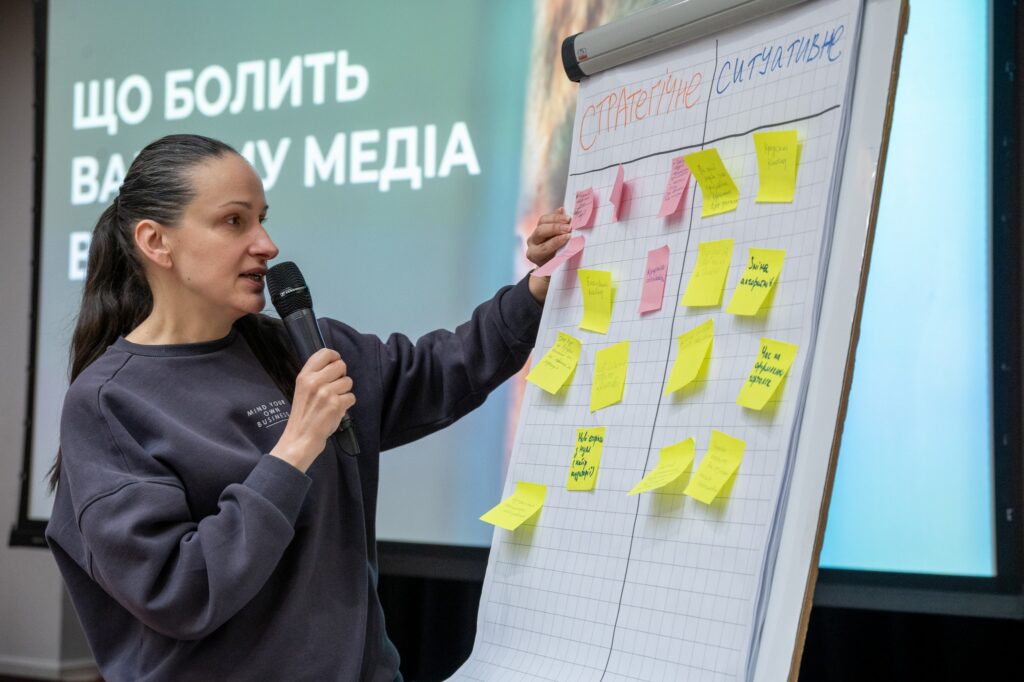
Чого бракує, якими інструментами ми користуємося, створюючи свої медіастратегії. Під час тренінгу для десяти редакцій, що отримують інституційну підтримку в рамках проєкту «Посилення стійкості медіа в Україні», учасники формували стратегії розвитку, шукали ідеї підвищення фінансової стабільності медіа на наступний рік та далі, наскільки це можливо. Корегували плани, що вже мали на сьогоднішній день. Щедро ділилися досвідом з колегами. «Штурмували» нові підходи та інструменти.

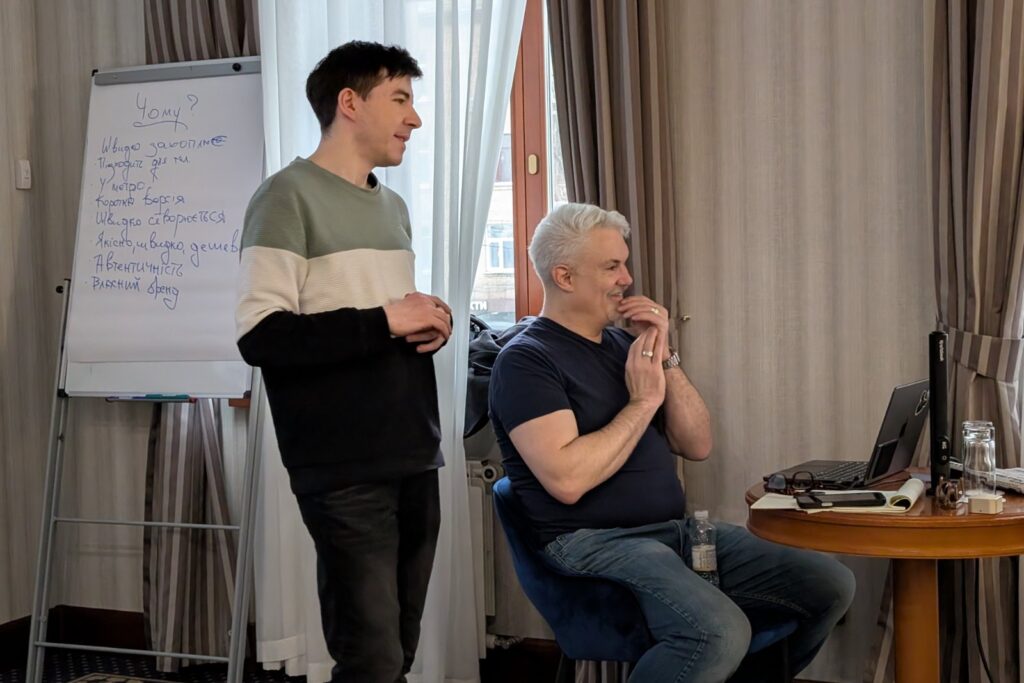
Якими є сьогодні наші аудиторії, яким чином вони впливають на стабільність медіа, визначають його перспективи? Що потрібно для оцінки стратегічного плану, що варто змінити, які інструменти ми ще можемо додати до знайомих, традиційних? Говорили якраз про залучення нової аудиторії за рахунок підвищення якості контенту, монетизацію соціальних мереж, зміну принципів та підходів до стратегічного планування. Журналісти аналізували особливості своїх аудиторій, ділилися формами роботи за умов нестабільності. Експерти говорили не тільки про ризики, але пропонували й можливості їх подолання. Усі редакції згодні, що стабільність медіа залежить від розширення аудиторій, завоювання їхньої довіри, підвищення якості продукту. Фандрайзінг, SMM, монетизація – що ми робимо якісно, але можемо робити ще краще, не тільки обговорювали, але й відпрацьовували під час практичної роботи в групах.

Андрій Русиняк, ТРК РАІ, Івано-Франківськ:

– Подекуди здавалося, що не зможу розібратися, але насправді це було так доступно, просто, зрозуміло, що все вдалося. Взагалі хочу подякувати за професійний підхід до вибору експертів та тренерів. А що стосується стратегічного планування, то сьогодні отримали готовий продукт – є цілі, стратегія, інструменти – все, що потрібно для подальшої роботи. І це неоціненно для нас.

Світлана Залізецька, РІА Південь, Мелитополь, каже: «Я не знаю, чи бувають взагалі ідеальні стратегії. Наша насправді допомагала в роботі з грантами. Але судячі з того, які знання я отримала за ці два дні, вона була недосконалою, і я її зараз переробляю. Особливо важливим для нашої редакції є передбачити ті ризики, перед якими зараз постає команда, та попередити їх».

Наталія Попович, Городоцький ТРПЦ, їхала вже зі своєю готовою стратегією. «Думала, тут щось відредагую, там додам і все, – коментує вона. – Чесно кажучи, так не вийшло. Наприклад, у мене – досягти фінансової стабільності – і така там диверсифікована модель доходів. Але яким чином? І чому саме реклама, гранти, інформаційні послуги? А де аудиторія, спільноти, де комерційна діяльність? Далі – зміцнити довіру аудиторії. Але яким чином, як я взагалі маю працювати з аудіторією? І тепер маю ще один документ, який ми тут розробили. Треба ще грунтовно його відпрацювати, але я впевнена, що це буде якісний, сформований документ, інструкція, яка дасть мені можливість покроково йти до мети». Тренінг відбувся в рамках проєкту «Посилення стійкості медіа в Україні», що впроваджується Fondation Hirondelle та IRMI, Інститутом регіональної преси та інформації (Україна). Фінансується Фондом «Швейцарська солідарність» (Swiss Solidarity).

Building a Media Strategy: Finding Your Direction

What are we missing, and what tools do we actually have when we sit down to draw up a media strategy? During a training for the ten editorial teams receiving institutional support under the project, participants developed strategies for the coming year and beyond — as far ahead as circumstances allow. They refined plans already in place, shared experience generously with colleagues, explored new approaches and instruments, and subjected them to robust discussion.

What do our audiences look like today, and how do they affect media sustainability — how do they determine a newsroom’s prospects? What does it take to evaluate a strategic plan properly, what needs to change, and what tools might usefully supplement the familiar ones? The conversation focused on attracting new audiences through higher-quality content, on monetising social media, and on rethinking the underlying principles and approaches to strategic planning. Journalists analysed the particular characteristics of their readerships and shared working methods suited to conditions of instability. Experts addressed not only the risks but also the practical means of overcoming them. All the editorial teams agreed that media sustainability depends on expanding audiences, winning their trust, and raising the quality of the product. Fundraising, social media management, monetisation — what we already do well and how to do it still better — were not only discussed but worked through in practical group exercises.

Andrii Rusyniak, TRK RAI, Ivano-Frankivsk:

“There were moments when I thought I simply wouldn’t be able to get my head round it — but in practice everything turned out to be so accessible, straightforward, and clear that it all fell into place. I’d like to thank everyone for the care that goes into selecting the right experts and trainers. And as for strategic planning — we’re leaving today with a finished product: goals, a strategy, the tools. Everything we need to carry on working. That is invaluable to us.”

Svitlana Zalizatska, RIA Pivden, Melitopol:

“I don’t know whether truly ideal strategies exist at all. Ours has genuinely helped us in our work with grants. But judging by what I’ve learnt over these two days, it was imperfect — and I’m revising it now. What matters most for our team is to anticipate the risks we currently face and to get ahead of them.”

Natalia Popovych, Horodok TRPC — who arrived with a strategy already written:

“I thought I’d adjust something here and add something there, and that would be it. Honestly, it didn’t work out that way. Take my goal of achieving financial stability through a diversified revenue model — fine, but how? And why advertising, grants, information services specifically? Where are the audience and the community? Where is the commercial activity? Then: strengthen audience trust. But how, exactly? What does working with an audience actually look like in practice? Now I have a further document that we developed here. It still needs careful, thorough work — but I’m confident it will become a solid, well-formed document, a step-by-step guide that will help me move towards the goal.”

The training was held as part of the Improving Media Resilience in Ukraine Project, implemented by Fondation Hirondelle (Switzerland) and IRMI, Institute for Regional Media and Information (Ukraine), and funded by Swiss Solidarity.

Журналістика суспільного інтересу: якою вона має бути?

Як дотримуватися балансу, діяти в ситуації конфлікту, під час війни. Професійно висвітлювати воєнні злочини. Працювати з соціологічними дослідженнями. Це та багато чого іншого – все, що стосується теми, – обговорюємо на тренінгу з журналістики суспільного інтересу.

Складна тема. Говоримо про права людини, інтереси суспільства та професійну журналістику, якою вона повинна бути. У кожного з учасників тренінгу, а це представники регіональних медіа, вже є певний досвід, але й фахові запитання до експертів. А ще краще розібратися допомагають кейси та практичні завдання, що базуються на реальних ситуаціях.

Експерт Михайло Буроменський, каже: тренінг зачепив дуже важливі теми, повʼязані з роботою журналістів в умовах конфлікту інтересів. Вміння ідентифікувати суспільний інтерес, знаходити баланс фактично забезпечує виконання місії журналістики. Важливим виявилося обговорення ролі журналістики в документуванні воєнних злочинів росіі у війні проти Украіни, етики документування, яке дещо відрізняється від звичайноі практики журналістських розслідувань та документування.

Чи грамотно ми використовуємо та трактуємо результати соціологічний досліджень, уникаємо маніпуляцій, можемо оцінити достовірність досліджень різних соціологічних центрів, говорили сьогодні з експерткою Олесею Гудзенко.

Тема журналістики суспільного інтересу об’єднує для обговорення різні важливі навички та ідеї. Наприклад, разом з тренеркою Ольгою Одарченко говорили про використання інструментів гугл-аналітики, що сприяє кращому розумінню аудиторій, їхніх потреб, а виходячи з цього – дозволяє розробляти якісні стратегії та пропонувати затребувані тематики.

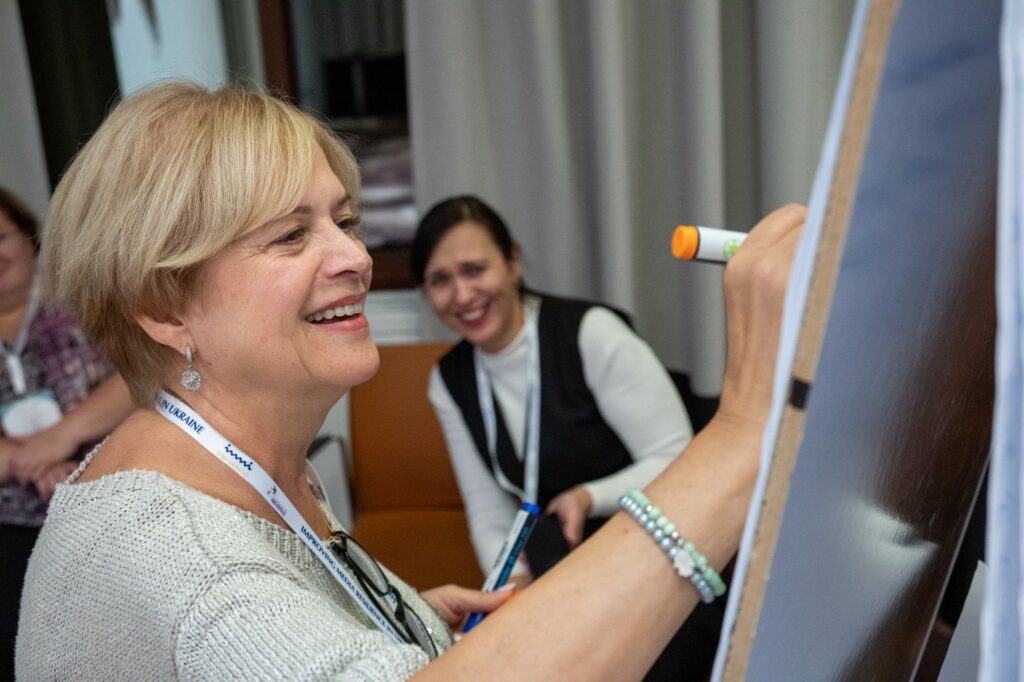
Практики, обговорення та дискусії – велика частина цього тренінгу. Більш того – журналісти на частину дня самі стали спікерами, аби поділитися редакційним досвідом. Говорили про свої аудиторії та інклюзію; як монетизувати соціальні мережі. Про журналістику суспільного інтересу та розслідування екологічних проблем. Досвід копродакшн – практику співробітництва редакцій.

Як не стати інструментом маніпуляції, обговорювали із експерткою Світланою Куц. А ще мова йшла про медіа та адвокацію та коли це працює на суспільний інтерес. Закріпили цю вкрай важливу тему, як і інші, практичною роботою. Під час мозкового штурму розробляли стратегії, шукали нові теми, пов’язані з суспільним інтересом.

Завершили тренінг в гостях у кримськотатарської переселенки Лєране Хайбуллаєвої, кримської журналістки, що вимушена була двічі переїхати. Залишилася жити у Львові та відкрила тут кафе “Кримський дворик”. Розповіді Лєране про історію, традиції кримськотатарського народу захоплюють не менш, ніж смачні страви. Вона й досі починає свій день із горнятка кави, але мріє колись знову пити його вдома, у Криму, що стане вільним.

Наталія Попович, Городоцький ТРПЦ:

– З кожного дня тренінгу взяла практичні, корисні навички. Наприклад, як правильно читати соціологічні дослідження – і дійсно повністю переглянула результати нашого соцдослідження минулого року. Й взагалі почала краще розуміти свого читача.Також вже знаю, про що хочу писати далі. Бо реально було відчуття, а які ще теми можна піднімати на локальному рівні? Сьогодні вже маю новий список тем. Це розвиток в усіх сенсах.

Тетяна Лучинська, «Маяк-Медіа», Богодухів:

– До знайомства з ІРМІ у нас не було ні сайту, ні розвитку у соцмережах. Так, ФБ був, але ми не знали, що він може монетизуватися, що є такі поняття, як аналітика, суспільний інтерес. За останні кілька років не просто додали у сенсі фінансової стабільності, а це дуже важливо, але розвиваємося як медіа. Відчуваємо це по тому, як люди до нас звертаються, довіряють нам, цінують. Це і є та сама стійкість, про яку весь час говоримо.

Марина Осипова, «Вісник Ч», Чернігів:

– Особисто я дуже «виросла», це вже дві різні людини. Як і два різних медіа: друкована газета «Вісник Ч» – й «Вісник Ч», який зараз мультимедійний. І все це почалося з ІРМІ. Щодо нинішнього тренінгу. Всі сесії були корисними, а з пані Світланою Куц – це взагалі «порвані шаблони», дуже класне та незвичайне навчання. Теми, про які ми говорили на тренінгу, занотувала, на грудень обговорюватимемо в редакції. Тренінг пройшов в рамках проєкту «Посилення стійкості медіа в Україні», що впроваджується Fondation Hirondelle та IRMI, Інститутом регіональної преси та інформації (Україна). Фінансується Фондом «Швейцарська солідарність» (Swiss Solidarity).

Public Interest Journalism: What Should It Really Look Like?

How to maintain balance, how to work in a conflict situation, under wartime conditions. How to cover war crimes professionally. How to work with sociological research. These and much else — everything bearing on the subject — were on the agenda at a training course in public interest journalism.

The topic is a demanding one. We spoke about human rights, the interests of society, and professional journalism as it ought to be practised. Every participant — representatives of regional media outlets — already brought experience of their own, but also professional questions they wanted to put to specialists. Case studies and practical exercises grounded in real situations helped sharpen understanding still further.

Mykhailo Buromensky, a lawyer and expert contributor, observed that the training had engaged with questions of fundamental importance for journalists working in conditions of conflict of interest. The capacity to identify the public interest and to strike the right balance is, in effect, what enables journalism to fulfil its mission. Particularly significant, he noted, was the discussion of journalism’s role in documenting Russian war crimes in the war against Ukraine, and of the ethics of documentation — which differs in certain respects from standard investigative practice.

With sociologist Olesia Hudzenko, participants considered whether we use and interpret the findings of sociological research accurately and responsibly — how to avoid manipulation, and how to assess the credibility of studies produced by different polling organisations.

The theme of public interest journalism draws together a range of important skills and ideas. With trainer Olha Odarchenko, for instance, the group explored the use of Google Analytics — a tool that deepens understanding of audiences and their needs and, from that foundation, enables the development of sound content strategies and the identification of subjects readers and viewers actually want.

Practical exercises, discussion, and debate made up a substantial part of the course. Indeed, on one afternoon the journalists themselves became the speakers, sharing editorial experience from their own newsrooms: how they engage with their audiences and handle the question of inclusion; how to monetise social media; public interest journalism and the coverage of environmental problems; and co-production — the practice of collaboration between editorial teams.

With expert Svitlana Kuts, participants worked through how to avoid becoming an instrument of manipulation, and also when media advocacy genuinely serves the public interest. This critically important theme — like all the others — was reinforced through hands-on work. In a brainstorming session, groups developed strategies, identified new angles, and searched for subjects connected to the public interest.

The training concluded with a visit to Lerane Khaibullaieva — a Crimean Tatar journalist, now living in Lviv, who has been forced to relocate twice. She has settled here and opened a café called The Crimean Courtyard. Her accounts of the history and traditions of the Crimean Tatar people captivate visitors no less than the food does. She still starts her day with a cup of coffee — and dreams of the day she will be able to drink it at home, in a Crimea that will one day be free.

Natalia Popovych, Horodok TRPC:

“From every day of the training I took away something practical and useful. How to read sociological research properly, for instance — I went back and completely reviewed the results of our own survey from last year. And I’ve started to understand my reader far better. I also now know what I want to write about next, because there genuinely was that feeling: what subjects are there still left to explore at a local level? Now I have a new list. This is development in every sense of the word.”

Tetiana Luchynska, Maiak-Media, Bohodukhiv:

“Before we came to know IRMI, we had no website and no social media presence worth speaking of. We had Facebook, yes, but we had no idea it could be monetised, that concepts like analytics and public interest journalism even existed. Over the past few years we haven’t merely grown in financial terms — which matters enormously — we’ve developed as a media outlet. You can feel it in how people come to us, trust us, value what we do. That is precisely the resilience we keep talking about.”

Maryna Osypova, Visnyk Ch, Chernihiv:

“Personally, I have grown enormously — I’m practically two different people now. As is the outlet: the print newspaper Visnyk Ch and the multimedia Visnyk Ch that exists today are two quite different things. And all of it began with IRMI. As for the current training — every session was valuable, but the one with Svitlana Kuts was something altogether different: a genuinely remarkable, unconventional way of teaching that completely overturned my assumptions. I’ve noted down the topics we covered, and we’ll be discussing them in the newsroom in December.”

The training was held as part of the Improving Media Resilience in Ukraine Project, implemented by Fondation Hirondelle (Switzerland) and IRMI, Institute for Regional Media and Information (Ukraine), and funded by Swiss Solidarity.

MOJO Skills Laboratory

Three days with MOJO. Lviv has hosted the third production training for journalists who have already mastered mobile journalism, recognised its advantages, film videos daily, yet refuse to rest on their laurels. This multi-day laboratory was designed to refine their smartphone filming and editing expertise.

Journalists from various regions of Ukraine worked in pairs, as in previous sessions: each brought partial footage from their home city, with collaborative work continuing through filming in Lviv. This time, the emphasis was on sound: participants learnt to balance audio on smartphones and mastered useful new applications. Contemporary filming techniques were designed to add dynamism to stories, enhance panoramic shots, and professionalise stand-ups. Sessions covered the importance of proper lighting and filming whilst in motion. Moreover, working in pairs during editing allowed journalists to support one another and share experience and skills, participants said.

These days flew by in an instant for you, as they did for our team, didn’t they?

Yulia Savva, Gard.City: “Video journalism is tremendously convenient, brilliant and offers so many possibilities. I primarily worked with text before, but now we’re adding significantly more video content. Beyond YouTube, we have Instagram, Reels, we’ve even ventured onto TikTok. From each of the three training sessions, I take away some ‘wow-discovery’ for myself. For instance, how to create cutaways, balance sound. I use all of this in my daily work.”

Anastasia Kovalchuk, Visti Prydniprovya: “When I was travelling to the first MOJO training, I thought nothing would work out. After several laboratories, with all this wealth of knowledge, when you’re already using graphics, doing stand-ups, working with sound, you feel different. More confident. Because you possess the knowledge, understand approaches and techniques, know which ones to employ in particular situations. Thank you not only for the training but for the positivity. The opportunity to briefly forget about the mundane and become captivated by something new.”

Ksenia Minina, Zhovti Vody.City: “We evacuated from Volnovakha in 2022, left completely without equipment, and before attending the MOJO training sessions, we tried filming on our own. Without a camera operator. Out of habit, we bought a camera that could record video, simply because we’d had one before. And we received our first iPhone through this very project. Now we continue to thrive, perhaps precisely because we’re making videos – both advertising and content relevant to people. The community supports us.”

The training forms part of the Improving Media Resilience in Ukraine Project. Implemented by Fondation Hirondelle (Switzerland) and IRMI, Institute for Regional Media and Information (Ukraine). Funded by Swiss Solidarity.

Лабораторія майстерності з MOJO

Три дні з MOJO. У Львові пройшов третій продакшн-тренінг для журналістів, які вже опанували MOJO, оцінили усі його переваги, щодня знімають відео, але не хочуть зупинятися на досягнутому. Тож «відкрили» для них цю кількаденну лабораторію по відточенню майстерності із зйомок та монтування на смартфоні.

Журналісти з різних регіонів України, як і на минулому тренінгу, працюють парами: кожен привіз частину сюжету зі свого міста, та робота над спільною темою продовжилася зйомками у Львові. Цього разу акцент було зроблено на звуці: вчилися вирівнювати його на смартфоні, опанували новий корисний додаток. Сучасні техніки зйомки повинні додати сюжетам динаміки, зробити більш виразними панорамні відео та професійними – стендапи. Говорили про важливість грамотного освітлення та зйомку у русі. До того ж, робота у парах під час монтажу дозволила, кажуть журналісти, підтримувати один одного, ділитися досвідом та навичками.

Ці дні для вас, як і для нашої команди, пролетіли як один, чи не так?

Юлія Савва, Гард.City:

– Відеожурналістика це дуже зручно, класно та пропонує багато можливостей. Раніше основному працювала з текстами, тепер значно більше додаємо відеосюжетів. Крім Ютуба, маємо й Інстаграм, рілси, навіть у Тік-ток вийшли. З кожного з трьох тренінгів привожу якесь «вау-відкриття» для себе. Ось, наприклад, як робити перебивки, вирівнювати звук. Все це використовую в щоденній роботі.

Анастасія Ковальчук, Вісті Придніпров’я:

– Коли я їхала на першій тренінг з MOJO, мені здавалося, нічого не вийде. Після кількох лабораторій, з усім багажем знань, коли вже використовуєш графіку, робиш стендапи, працюєш із звуком, почуваеш себе інакше. Впевненіше. Бо володієш знаннями, розумієш підходи та техніки, знаєш, які з них краще використати у певній ситуації. Дякую не тільки за навчання, але й за позитив. Можливість ненадовго забути про буденне та захопитися новим.

Ксенія Мініна, Жовті Води.City

– Ми евакуювалися з Волновахи у 2022 році, залишилися абсолютно без техніки, і до того, як потрапити на тренінги з МОJО, самотужки намагалися знімати. Без оператора. За інерцією купили фотоапарат, яким можна писати відео, лише тому, шо він у нас вже колись був. І свій перший айфон ми отримали якраз від проєкту. Зараз ми продовжуємо жити, мабуть, саме завдяки тому, що робимо відео – і рекламу, і актуальний для людей контент. Громада нас підтримує.

Тренінг є частиною проєкту «Посилення стійкості українських медіа», який впроваджується Фундацією «Ірондель» (Швейцарія) та IRMI, Інститутом регіональної преси та інформації (Україна). Фінансується Фондом «Швейцарська солідарність» (Swiss Solidarity).

Mobile Journalism: Raising the Bar

Mobile Journalism: Raising the Bar

Resistance centres, children on the frontline, war memorials and abandoned animals. These are among the stories being crafted by journalist pairs from across Ukraine at this week’s training in Lviv. Each partner filmed footage in their home city before collaborating here – creating videos that resonate with audiences in both locations.

This is the concept behind the mobile journalism training now underway. Experienced journalists and editors are mastering MOJO filming techniques using equipment IRMI provided free to newsrooms at the session’s start. They’re exploring storytelling, learning to film and edit two-phone interviews in any conditions – creating studio-quality content – producing mobile reports, recording professional audio and shooting teaser packages in pairs. Each newsroom also received modern wireless microphone systems.

“Print journalists struggle to think visually,” says trainer Olena Astrakhovych. “They need skills in story development, understanding how to hold viewers’ attention and convey the authors’ message.”

Since our first MOJO training sessions, the professional standard has transformed – journalists’ experience, skills and capabilities have grown significantly. Tasks have become more ambitious: each pair must create a joint story linking footage from two Ukrainian cities, with additional filming in Lviv. The results are impressive. Participants now master live broadcasting with multiple cameras, 4K interview techniques with reframing in post-production, data visualisation and sourcing diverse experts and contributors. Stories have become multi-layered, compelling and relevant across regions. Editing day means selecting material, cutting excess, correcting errors and weaving shots into video narratives.

“Stories have become higher quality, more thorough, with deeper exploration. Topics are more diverse. Work with interviews, titles and graphics shows real confidence,” says Yuriy Vasyliev, IRMI trainer.

Yulia Savva, Gard.City: “This training felt like stepping up a level. More complex stories, new equipment to master. Combining fragments from different regions, even countries, into one narrative isn’t easy. Working in pairs was brilliant – together we managed it. I’d love to learn how others create graphics for their videos – that’s class!”

Natalia Chaika, RIA Pivden: “Journalism without crisis doesn’t exist. Today’s story production was pure crisis management. We handled it reasonably well, though there’s room for improvement. The mentors were incredibly supportive. The journalism community produced incredible stories – especially the minute’s silence piece, which I’ll use as my benchmark.”

Yana Lazoryk, TRK RAI: “Another brilliant, productive training. I value working with colleagues from different regions, newspapers, radio and TV – their work in hot zones is inspiring. Today’s winning story absolutely deserved first place. It demonstrates incredible dedication, strength and resilience from colleagues in conflict areas. Thank you for sharing your experience.”

The training is part of the Improving Media Resilience in Ukraine Project, implemented by Fondation Hirondelle (Switzerland) and IRMI, Institute for Regional Media and Information (Ukraine). Funded by Swiss Solidarity.