Спеціальні відзнаки для українських журналістів від CEI SEEMO
Вітаємо переможців конкурсу CEI SEEMO! Премії відомого професійного конкурсу кожного року отримують медійники за видатні заслуги в розслідувальній журналістиці, а вручають Центральноєвропейська ініціатива (CEI) та Медіаорганізація Південно-Східної Європи Seemo Vienna. Українські медійники отримали спеціальні відзнаки.
До складу незалежного журі конкурсу увійшли журналісти та експерти з Албанії, Румунії, Хорватії, Чехії, Україну представляв директор програм IRMI Олексій Солдатенко. Цьогоріч лауреатами стали журналісти з Боснії та Герцоговини, а українські журналісти отримали спеціальні відзнаки. Тарас Зозулінський, голова правління Бюро журналістських розслідувань “Detectives”, був відзначений за велику журналістську роботу з документування воєнних злочинів під час російської агресії в Україні у співпраці з кількома ЗМІ та правозахисними організаціями. Команда “Слідство.інфо” отримала високу оцінку за високопрофесійну роботу з викриття корупції в Україні, результатом якої стали кілька видатних документальних фільмів-розслідувань.
Церемонія нагородження пройшла 14 листопада 2023 року під час Медиафоруму Південно-Східної Європи у Турині (Албанія).
Премія CEI SEEMO заснована, щоб вшанувати роботу журналістів-розслідувачів та їхній внесок у проведення журналістських розслідувань, незважаючи на складні умови, в яких їм часто доводиться працювати. Організована у співпраці Організації медіа Південно-Східної Європи (SEEMO) та Центральноєвропейської ініціативи (CEI).
Фото SEEMO.
15 Лис
Media Resilience: Sharing Experiences at Donbas Media Forum 2023
Our philosophy and practice of supporting the media since the beginning of the invasion was discussed during the session “Resilience of the Ukrainian Media in Wartime: Ways to Adapt the Business Model” at the landmark journalistic event of the year – Donbas Media Forum 2023. An international conference that annually gathers journalists and media managers from Ukraine and abroad.
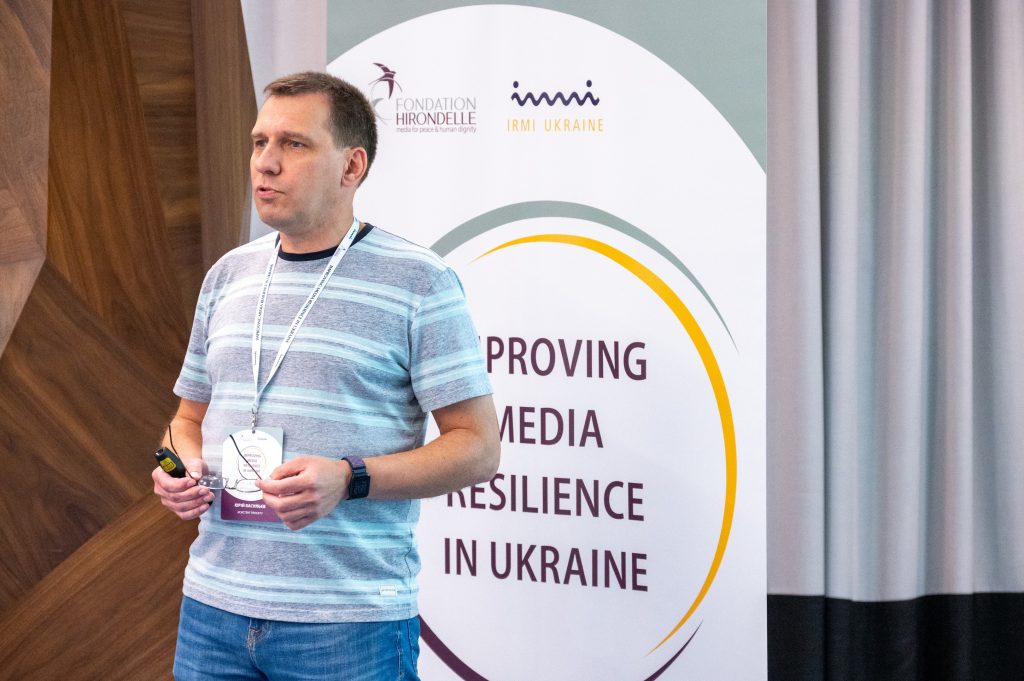
«Our goal is not only to preserve regional media, but also to ensure their sustainability after the victory,” said Oleksiy Soldatenko, IRMI’s program director. – To win not only the war, but also the post-war peace. This underpinned the project “Improving Media Resilience in Ukraine”, which we are implementing in partnership with Fondation Hirondelle with the financial support of Swiss Solidarity. We are sure that no matter what business model the media decides to go for, sustainability and independence are impossible without a high-quality, up-to-date information product. The project offered not only funds, but also training on the most pressing issues of the media business, tools for audience research, working with sources, managing multimedia newsrooms, mentoring, consulting, and preparation for JTI certification. This way increases the trust in the media not only of readers, viewers, listeners, but also of donors, partners, advertisers, which would contribute to better monetization of publications».
The forum is a chance to discuss current issues of the media market. To meet old friends, for whom today it is not so easy to leave their newsrooms even for two days to come to Kyiv. Establish new contacts, offer ideas for preservation and development. Thanks also to RSF for the professional moderation of the session in which we participated.
15 Лис
Про стійкість медіа: ділимося досвідом на Donbas Media Forum 2023
Про нашу філософію та практику підтримки медіа від початку війни говорили під час сесії “Стійкість українських ЗМІ у воєнний час: як адаптувати бізнес-модель?” на знаковій журналістській події року – Donbas Media Forum 2023. Міжнародній конференції, яка щороку збирає журналістів та медіаменеджерів з України та зарубіжних колег.
«Нашою метою стало не тільки зберегти регіональні медіа, а й забезпечити їхню сталість після перемоги, – сказав програмний директор IRMI Олексій Солдатенко. – Виграти не лише війну, а й повоєнний мир. Це лягло в основу проекту «Підтримка стійкості українських медіа», який ми виконуємо в партнерстві з Fondation Hirondelle за фінансової підтримки Swiss Solidarity. Впевнені, яку бізнес-модель не обрало б медіа, сталість, незалежність неможлива без створення якісного сучасного інформаційного продукту. Проект запропонував не лише кошти, а й навчання з найактуальніших проблем медійного бізнесу, інструментів вивчення аудиторій, роботі з джерелами, управління мультимедійними редакціями, менторінг, консультації, підготовку до сертифікації JTI. Цей шлях підвищує довіру до медіа не лише читачів, глядачів, слухачів, а й донорів, партнерів, рекламодавців, що сприяло б кращій монетизації видань».
Форум – це можливість обговорити актуальні проблеми медіаринку. Зустріти старих друзів, яким сьогодні не так просто залишити навіть на два дні свої видання та приїхати до Києва. Налагодити нові контакти, запропонувати ідеї для збереження та розвитку. Дякуємо також RSF за професійну модерацію сесії, у якій ми взяли участь.
30 Жов
A Call for a New Media Development Project
We are launching a new one-year project, which aims to improve access to information through the support of Ukrainian regional media. It will be implemented by IRMI in partnership with Fondation Hirondelle (Switzerland) and with financial support from Swiss Solidarity and is the next phase of our previous program which ran from April 2022 to October 2023.
The new project, like the previous one, provides for multi-level media support. Namely: trainings on how to work under martial law, ensuring the public interest is factored in, facoring in the peculiarities of information sources, professional norms and tools for the investigation of war crimes, mobile journalism, media management and other topics. It will be of particular interest to editors who address the topics of social cohesion, seek to study their own audiences and to improve communication with them.
Consultations on urgent issues, mentoring and ad-hoc support are also provided. Project participants will also receive assistance in preparing for international media certification (this component is implemented in partnership with the Journalism Trust Initiative and under the leadership of Reporters Without Borders). And also – mini-grants for institutional development.
Trainers, mentors and consultants of the project are foreign and Ukrainian media experts who have experience in the mentioned topics and problems.
18 Ukrainian mass media will be selected to participate in the project on a competitive basis. Priority is given to the regional media of the South, North and East of Ukraine, which need comprehensive support.
Eligibility criteria:
– regional, local and hyperlocal media officially registered in Ukraine (priority is given to media from the East, South and North of Ukraine);
– motivated towards development, interested in the topic and direction of the project;
– media that do not have other significant institutional grant support.
A completed form, which includes a motivation letter, should be sent at the link below. The deadline for submitting applications is November 13, 2023.
Successful applicants will be informed by November 22, 2023. Project updates are posted on our FB page just as new media support efforts during these difficult times.
30 Жов
Запрошуємо медіа до участі у новому проєкті
Розпочинаємо новий річний проєкт, який має на меті покращити доступ до інформації через підтримку українських регіональних медіа. Він буде реалізований IRMI у партнерстві з Fondation Hirondelle (Швейцарія) та за фінансової підтримки Swiss Solidarity та є наступним етапом нашої попередньої програми, яка тривала з квітня 2022 по жовтень 2023 року.
Новий проєкт, як і попередній, передбачає багаторівневу підтримку медіа. А саме: тренінги з навчання роботі за умов воєнного стану, забезпечення суспільного інтересу з урахуванням особливостей джерел інформації, професійних норм та інструментів розслідування воєнних злочинів, мобільній журналістиці, медіа-менеджменту та інших тем. Буде особливо цікавий редакціям, які звертаються до тем соціальної згуртованості, прагнуть вивчати власні аудиторії та поліпшувати звʼязок із ними.
Передбачено також консультації з нагальних питань, менторська та ad-hoc підтримка. Учасники проєкту також отримають допомогу з підготовки до міжнародної сертифікації медіа (цей компонент реалізується в партнерстві з Journalism Trust Initiative та за лідерством “Репортерів без кордонів”). А ще – міні-гранти для інституційного розвитку.
Тренери, ментори й консультанти проєкту – зарубіжні та українські медіа-експерти, які мають досвід з названих тем та проблем.
До участі у проєкті на конкурсних засадах буде відібрано 18 українських ЗМІ. У пріоритеті – регіональні медіа Півдня, Півночі та Сходу України, які потребують комплексної підтримки.
Взяти участь у конкурсі можуть:
– офіційно зареєстровані в Україні регіональні, локальні та гіперлокальні медіа (пріоритет віддається медіа зі Сходу, Півдня та Півночі України);
– мотивовані до розвитку, для яких є цікавою тематика та спрямованість проєкту;
– медіа, які не мають іншої суттєвої інституційної грантової підтримки.
Бажаючі взяти участі у конкурсі мають надіслати (за посиланням нижче) заповнену форму, яка включає мотиваційний лист. Кінцевий термін подачі заявок – 13 листопада 2023 року.
Фіналісти будуть поінформовані про участь у проєкті до 22 листопада 2023 р. Інформація про проєкт розміщується на нашій FB-сторінці. Ми також повідомляємо там журналістів про нові можливості з підтримки медіа у цей складний час.
19 Жов
MOJO 2.0
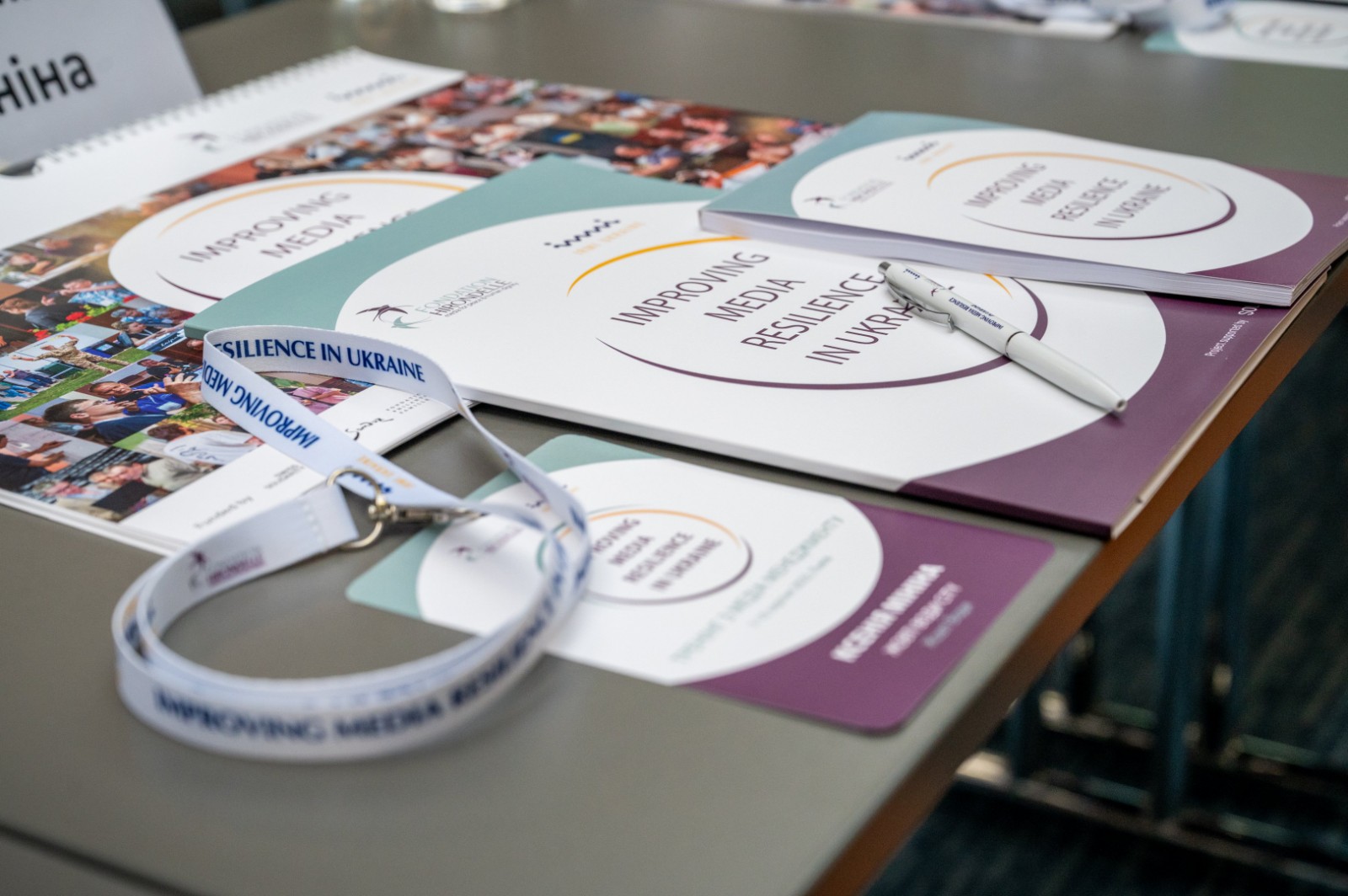
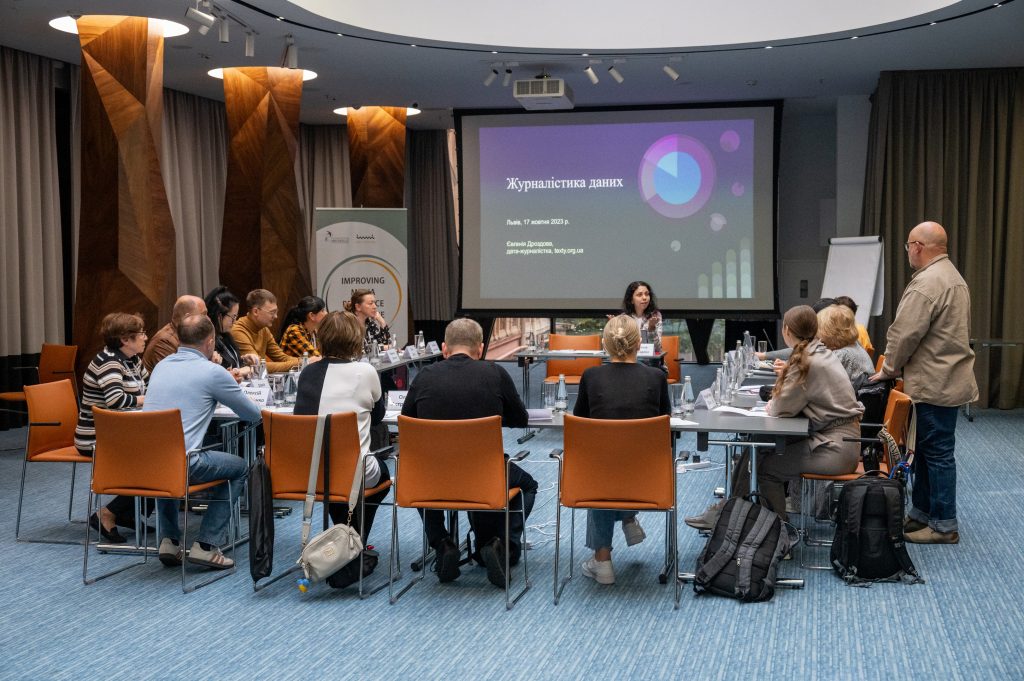
What problems do editors encounter mastering Mojo? What has been achieved over the set timeframe, what challenges have arisen? Are we fully utilizing Mojo to create cool, professional videos? Second-level training for representatives of regional publications participating in the project “Improving media resilience in Ukraine” was held in Lviv.
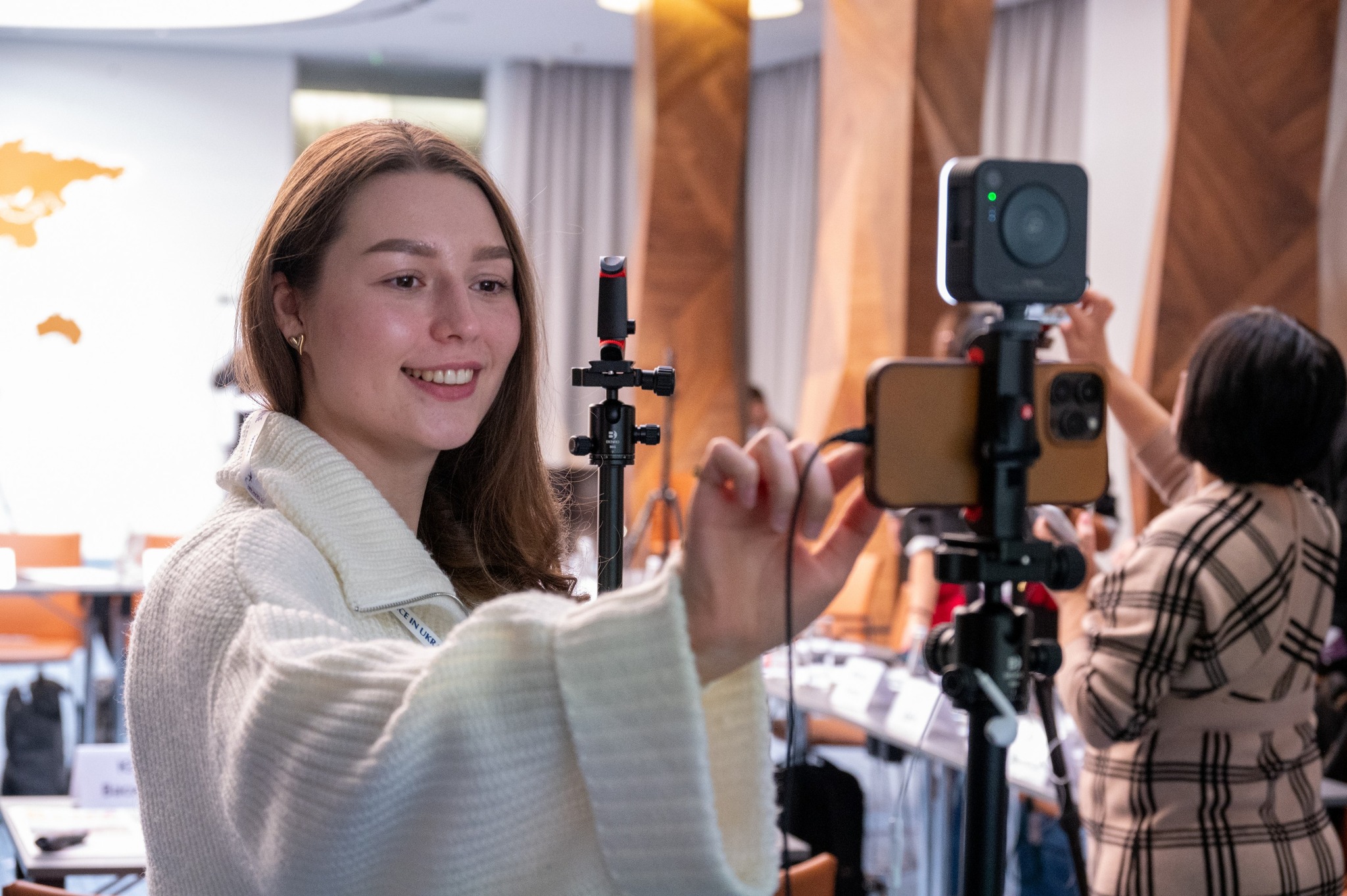
For some time, after the Mojo training in June, the newsrooms have been mastering new video production skills. The equipment that the trainees received as part of the project was being used for that. And so the trainees re-convened for another worshop to “work at mistakes”. In a participant survey the trainees reported certain difficulties in using a tripod, a microphone, during editing, framing, voicing, and others. So, these three days are both work on errors and development of new skills, covering Mojo subtleties. They ususally ask to switch off mobile phones at trainings, during these three days, though, the smartphone was the main tool, it was by using their smartphones that the participants masterfully and professionally prepared video stories – from gathering material to meticulous editing. The particpants practiced shooting pieces to camera, putting togethr leads, blitz interviews, and doing quick editing. Trainers provided a thorough “debriefing” and detailed discussion of the stories that the participants worked on.
Data visualization and data journalism are a separate essential strand. The main principles, data preparation and online tools were discussed and practiced with Yevhenia Drozdova, an expert, a data journalist and head of the data journalism department at Texty.org.ua. “Data journalism is not some other kind of journalism,” commented Yevhenia Drozdova. – It has the same goal – to inform people about what is happening in the world and around them. However, if our world is becoming more complex and saturated with information every day, journalism must respond to this challenge. So the development of journalism in the direction of processing considerable volumes of data is quite natural, just like the emergence of television and video journalism. Today, we should be actively talking about the use of AI and machine learning in journalism. And it’s not about generating content using ChatGPT, but about journalists understanding what modern data processing and analysis tools can be useful and are necessary for creating more insightful content. Data analysis can help identify trends that are not obvious at a cursory glance, as well as pick out pitfalls that require public attention.”
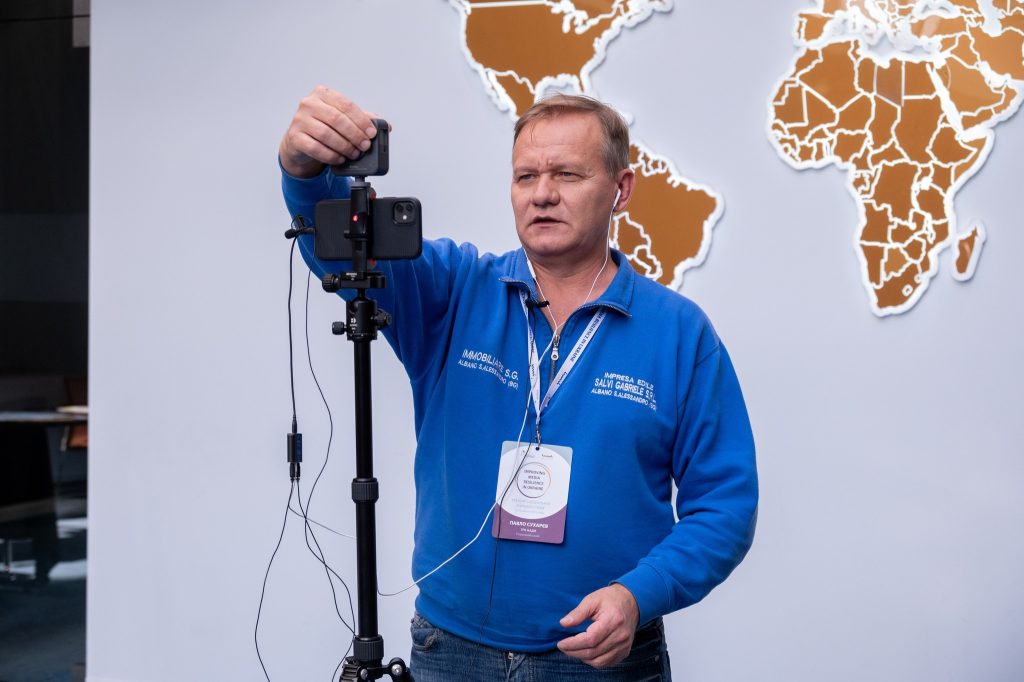
– In this project, there is an apt combination of very professional trainers and the team of journalists, – believes Pavlo Sukharev, director of “Nadia” broadcasting station. – Everything was valuable: discussions, practical tasks, experience exchange, creating a team that went through more than one training together. It’s cool to communicate with talented young people. During the war, our country became more polarised, so our task is to “stitch” it, both geographically and mentally. We can do it.
In our communication during the training, we heard a melody consisting of smiles, humor, friendly advice and practice – it turns out to be very atmospheric and exciting. This is our MOJO training for journalists – people who really missed not only professional training, but also communication outside the newsroom and beyond their everyday problems.
The training was part of ‘Improving Media Resilience in Ukraine’ project implemented by IRMI together with Fondation Hirondelle and financed by Swiss Solidarity.
19 Жов
MOJO 2.0
Які проблеми у редакцій з опанування Mojo? Що вдалося за певний час, які виникли труднощі? Чи повною мірою ми використовуємо Mojo, аби створювати класні професійні відеоматеріали? У Львові пройшов тренінг другого рівня для представників регіональних видань, які беруть участь у проєкті «Підвищення стійкості українських медіа».
Протягом певного часу, після червневого тренінгу з Mojo, редакції опановували нові навички роботи з відео. Працювали, до речі, на обладнанні, що отримали в рамках проєкту. Й ось знов зібралися на тренінг, аби зробити «роботу над помилками». За результатами опитування, певні труднощі виникали у роботі зі штативом, мікрофоном, при монтажі, побудові кадрів, озвучуванні та інші. Отже, ці три дні – й робота над помилками, й опрацювання нових навичок, тонкощів роботи з Mojo. Зазвичай на тренінгах мобільні телефони за стандартом вимкнуті, але протягом цього смартфон усі три дні був основним інструментом, саме смартфоном віртуозно, професійно готували відеосюжети – від збору матеріалу до вибагливого редагування. Відпрацьовували стендапи, ліди, бліц-інтерв’ю, швидкий монтаж. Тренери забезпечили ретельний «розбір польотів» та детальне обговорення відзнятих сюжетів.
Окрема та дуже важлива тема – візуалізація даних та дата-журналістика. Основні принципи, підготовку даних та онлайн-інструменти обговорювали та практикували з експерткою, дата-журналісткою та керівницею напрямку журналістики даних у Texty.org.ua Євгенією Дроздовою. «Журналістика даних – це не якась інша журналістика, – прокоментувала Євгенія Дроздова. – В неї та сама мета – інформувати людей про те, що відбувається у світі та навколо них. Проте якщо наш світ із кожним днем стає все більш складним і перенасиченим інформацією, журналістика має відповідати на цей виклик. Тож розвиток журналістики у бік роботи з великими обʼємами даних є цілком природним, як колись поява теле- та відеожурналістики. На сьогодні ми вже маємо активно говорити про використання штучного інтелекту та машинного навчання в журналістиці. І це не про генерацію контенту за допомогою ChatGPT, а про розуміння журналістами, які сучасні інструменти обробки та аналізу даних можуть бути корисними та потрібними для створення більш глибокиx історій. Аналіз даних може допомогти виявити тенденції, які неочевидні при поверхневому огляді, а також виявити проблемні моменти, які потребують уваги суспільства».
– У цьому проєкті – влучне поєднання дуже професійних тренерів та команди журналістів, – вважає директор телерадіокомпанії «Надія» Павло Сухарєв. – Все було цінним: обговорення, практики, обмін досвідом, створення команди, яка разом пройшла вже не перше навчання. Класно спілкуватися й з талановитою молоддю. За війну наша країна стала більш полярною, тож наше завдання – «зшити» її, й географічно, і ментально. Це нам під силу.
У нашому спілкуванні під час тренінгу ми почули мелодію, що складається з посмішок, гумору, дружніх порад та практики – виходить дуже атмосферно та захоплююче. Це наш тренінг з MOJO для журналістів – людей, що насправді скучили не тільки за професійним навчанням, але й за спілкуванням поза редакціями та поза повсякденних проблем.
Тренінг відбувся в рамках проекту “Підвищення стійкості українських медіа”, який IRMI виконує в партнерстві з Fondation Hirondelle за фінансової підтримки Swiss Solidarity.
15 Вер
September Training for the Youth: from Basic Knowledge to Professional Subtleties
What did you remember this September by? Not just by content training for “media whales” in Kyiv. During the month young colleagues of our partner publications participated in a webinar – professional training as part of “Improving the Resilience of Ukrainian Media”. They defined the main tools and work norms of journalists, discussed the ethics of the profession, work with information, and much more. The trainer was Vivienne Marsh, an international expert, TV and radio journalist, researcher and university lecturer in media and journalism.
Such long-term “stream training” was organized for young journalists at the request of their editors who wanted to find development opportunities for their young colleagues. The objective problem of local publications is brain drain: staff have resigned, relocated or gone to war. The teams of most local newspapers, in the best case, would consist of two or three journalists, including an Editor who deals with every day operational matters and also fills the columns. Replenishment is always welcome, especially with young reporters with a fresh perspective, interest in the profession, and willingness to learn. But do they always have enough basic knowledge and practical skills…
So, they talked about ethics in journalism, public interest and credibility. Is censorship unacceptable or sometimes necessary? The discussion was of legal risks, danger of defamation, privacy and copyright. How to define news, separate facts from comments. It was about how to prepare news stories, check facts, in particular, from social media, and what tools a journalist has for this. How to prepare for an interview, ask questions, work with quotes or reported speech.
“There was a lot of discussion about verification, methods of checking facts in social media. This is not surprising given the urgent need to debunk fake news. Each trainee was also analyzed individually for their media materials. I am highly satisfied with the approaches to covering the topics. But the lack of resources and time are the most serious issues of editorial offices: the material collected via messenger or by phone will never be as complete as during the field work. Another important issue was the use of “overloaded” language; the participants recognized impartiality as an ideal principle, but made it clear that it is impossible to implement it in their editorial offices today,” commented Vivien Marsh on the work with the representatives of the editorial offices.
Here is the feedback of the trainees following the training.
“The basic journalism course was extremely useful for me, even though I had no experience in this sphere. Vivienne, our trainer, explained the material perfectly well, was always ready to answer any questions, and thanks to her, even my understanding of the English language improved. There was never a dull moment.”
“It turns out that not only practice is important in journalism, but also theory. I would really like to see this course extended, or make several separate modules about some psychological aspects in journalism. For example, when an interviewee is aggressive, behaves inappropriately, argues, provokes you, is critical. What do we do when the speaker declines to comment. How do we find common ground?”
“I would love more practical tasks, as well as more team-work. Thank you very much for the course!”
“There is a lot of information, interesting and somewhat new. I would like more experience, how exactly journalists work in other countries.”
The training was part of ‘Improving Media Resilience in Ukraine’ project implemented by IRMI together with Fondation Hirondelle and financed by Swiss Solidarity.
15 Вер
Вересневе навчання для молоді: від базових знань до фахових нюансів
Чим запам’ятався цей вересень? Не тільки тренінгом з контенту для «акул пера» у Києві. Протягом місяця молоді колеги наших партнерських видань брали участь вебінарі – професійному навчанні в рамках проєкту «Підвищення стійкості українських медіа». Визначали основні інструменти та норми роботи журналістів, обговорювали етику професії, роботу з інформацією, та багато іншого. Тренер – Вів’єн Марш, міжнародний експерт, телерадіожурналістка, дослідниця та університетська викладачка з медіа та журналістики.
Таке тривале «стрим-навчання» організували для молодих журналістів на прохання редакторів, які хотіли знайти можливості розвитку для своїх молодих колег. Об’єктивна проблема місцевих видань – кадровий «голод»: хтось звільнився, переїхав, хтось пішов воювати. Колективи більшості локальних газет у найкращому випадку складаються з двох-трьох журналістів, у тому числі й редактора, який щодня вирішує поточні проблеми роботи редакції та ще й заповнює шпальти. Поповненню завжди раді, особливо молодим журналістам з «незашореним» поглядом, інтересом до професії, бажанням вчитися. Але чи завжди вистачає їм базових знань та практичних навичок…
Отже говорили про етику в журналістиці, суспільні інтерес та довіру аудиторій. Будь-яка цензура неприпустима, чи іноді необхідна? Обговорювали правові ризики, небезпеку наклепу, про конфіденційність та авторське право. Як визначити новину, відокремити факти від коментарів. Йшлося про те, як готувати новини, перевіряти факти, зокрема, з соціальних мереж, які інструменти для цього має журналіст. Як підготуватися до інтерв’ю, ставити запитання, працювати з цитатами або непрямою мовою.
«Багато дискутували про верифікацію, методи перевірки фактів у соціальних мережах. Це не дивно, враховуючи нагальну потребу розвінчувати фейкові новини. З кожним також індивідуально аналізували матеріали для їхніх медіа. Дуже задоволена підходами до висвітлення тем. Але брак ресурсів та часу – найсерйозніші проблеми редакцій: матеріал, зібраний через месенджер або по телефону, ніколи не буде таким повним, як в ході полоьової роботи. Іншим важливим питанням було використання «перевантаженої» мови; учасники визнали неупередженість ідеальним принципом, але дали зрозуміти, що реалізувати її у своїх редакціях сьогодні неможливо»,-прокоментувала роботу з представниками редакцій Вів’єн Марш.
А ось відгуки учасників по завершенні тренінгу.
«Курс базової журналістики був надзвичайно корисним для мене, навіть якщо я не мав жодного досвіду з цього. Вів’єн, наш тренер, просто чудово пояснила матеріал, завжди була готова відповісти на будь-які запитання, і завдяки їй навіть моє розуміння англійської мови покращилося. Не було нудно жодної миті».
«Виявляється, в журналістиці важлива не тільки практика, але і теорія. Дуже хотілося б розширити цей курс, або зробити декілька окремих модулів про якісь психологічні аспекти в журналістиці. Наприклад, коли людина проявляє під час інтерв’ю агресію,неадекватно поводиться, сперечається, провокує тебе на емоцію, критично налаштована. Що робити, коли спікер відмовляє у коментарі. Як домовитись з людиною?».
«Хотілося б виконувати більше практичних завдань, а також завдань у командах. Дуже дякую за курс!».
«Інформації дуже багато, цікавої та дещо нової. Хотілося б більше досвіду, як саме працюють журналісти в інших країнах».
Навчання відбулося в рамках проекту “Підвищення стійкості українських медіа”, який IRMI виконує в партнерстві з Fondation Hirondelle за фінансової підтримки Swiss Solidarity.
5 Лип
Local Newspapers: Survive to Thrive
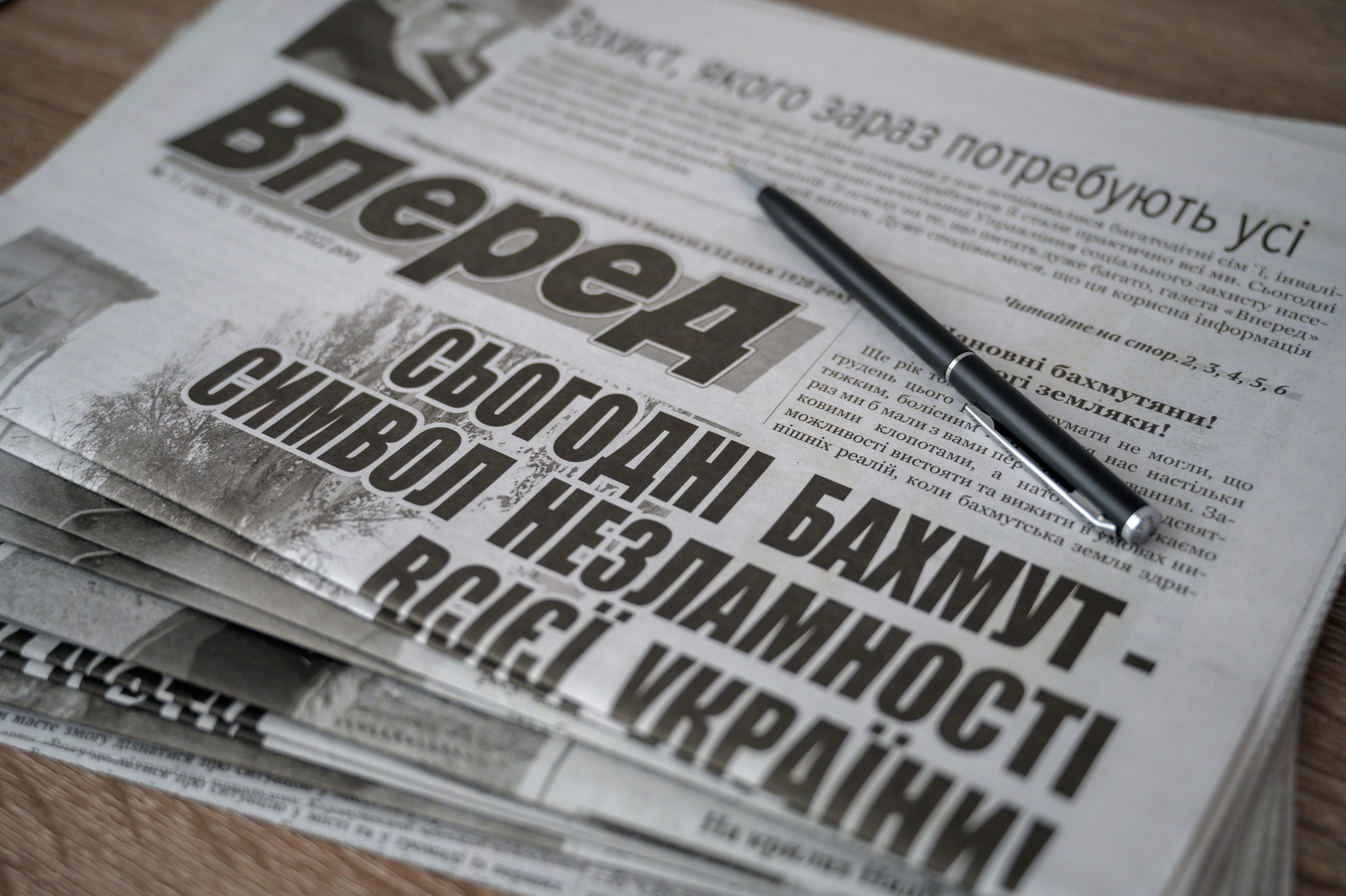
Local newspapers in Ukraine on the frontline and de-occupied territories mostly resumed their operation, however, one in every two print editions reduced the publication frequency by 2-4 times, almost all of them reduced the number of pages by an average of half. The Union of Journalists of Ukraine presented a study of the needs of media from the de-occupied and front-line territories, conducted as part of “Improving Media Resilience in Ukraine”, implemented by IRMI in partnership with Fondation Hirondelle and funded by Swiss Solidarity. Almost a third of the research participants are editors participating in the project.
Forced stop
According to the results of a survey of 30 newspaper editorial offices in 10 regions of Ukraine, 90% of local publications did not work for almost six months. “Mayak” newspaper (Kharkiv region) during the almost three-month forced downtime due to Ukrposhta’s terminated operations published “Frontova Gazeta” in A4 format with a circulation of 200-400 copies. According to the editor, “it was distributed free of charge in shops, village councils, libraries under the motto “Read it – pass it on to someone else!” During this period, one full-length newspaper was also published, which was delivered to subscribers by the newspaper staff. It was costly and slow.”
Even now 63% of editorial offices admit that their current capacity in terms of assests is not enough to ensure their full running frequency.
Teams
In 80% of editorial offices the number of staff working on creating a newspaper has decreased. Mainly due to the inability to pay the salaries. One in every four editorial offices has one or two people working on putting a newspaper together.
Locations
Slightly more than half (52%) of the surveyed newsrooms are currently based in their pre-invasion operations. The other half of the newsrooms relocated completely (30%) or partially (18%). In fact, only a third of the newsrooms have now restarted their operations in their former premises. Another 20% operate in a hybrid format: combining the offline work with the remote work, every other editorial office works just remotely.
Income and salary
Only two newsrooms declared 30 percent or more of advertising revenue in the structure of the newspaper’s total revenue, while the majority reported their complete or almost complete absence. Here’s something about subscriptions: according to some of the interviewees, Ukrposhta does not engage in newspaper subscriptions, so this channel should be factored out. People living in rural areas refuse to subscribe “due to poor quality and untimely delivery”.
Almost 40% of editorial offices have reduced or completely stopped the retail sale of publications due to the temporary occupation of the territory, the proximity to the war zone, the complications of logistics, the relocation of a large part of the population to other hromadas, and the shutting down of outlets.
The average salary in the surveyed newsrooms is UAH 8,000, 20% less than before the war, whereas one in every four newsrooms pays no salaries at all.
Only 5 out of 30 surveyed newsrooms received financial aid from the state during the war. Instead, more than half received donor funding. 28 out of 30 newsrooms are planning to apply for donor support in the coming months.
What they need, what they aspire to
Among the current priority needs of newsrooms, two prevail: financial support (94%) and training (56%).
A year since the start of the full-scale invasion, the survey says, newsrooms have realised how important it was for their media to be present on digital platforms. Many editors emphasize that while their settlements were under occupation or siege, digital channels became almost the only source of news for local residents.
“During the occupation the publication’s website and social media pages were the main channel of communication with the community” (editor from Kharkiv region).
“We had no electricity, no water, no communication. Only the Internet miraculously made its way, and we tried to get to people the information they needed” (editor from Chernihiv Oblast).
“During this year, we realized how important it is to have such platforms at this time. We modernized our site, transferred it to a new platform, we create an average of 10 posts for it every day. Before that the site was scarcely used, it had about 1,000 unique visitors per month, now it has 9,000. On Facebook the results are even better – we have a reach of 45,000 compared to 3,000 in early February” (editor from Donetsk region).
“We want to learn how to better promote the site and attract a larger audience”;
“Employees need to be trained on how to work with the newly created website”; “We need to learn how to work with a website and a group on social media: how to promote content, make it readable, how to monetize media platforms, and how to attract advertisers”;
“We need training courses for employees on the promotion and popularization of the site (SEO, SMM), as well as training on the promotion and administration of the publication’s Telegram channel and social media pages. Training on how to shoot and edit video content for You Tube channel, Instagram, TikTok».
“Thanks to financial support, media and the staff can be preserved,” Oleksiy Soldatenko, Project coordinator, Director of International programs of the Institute of Regional Press and Information (IRMI) comments on the survey findings. – But regional publications going forward need sustainable development, digital transformation, mastering of new professional skills in order to become more up-to-date and competitive. Therefore, along with financial assistance, the project offers mentoring for editorial offices and conducts trainings for journalists. We help with technical equipment that allows the newsroom staff to become more mobile and more professional. According to the survey findings the editors of the publications are aware of the prospects of content distribution on digital platforms and are very interested in continuous training.
The Ukrainian press at the front-line and de-occupied territories today is a symbol of unity, faith, and inspiration for Ukrainians to fight and win, Head of the NSJU Serhiy Tomilenko is confident. In the frontline areas, where there are problems with communications, traditional print media, which are trusted by local residents, are getting a second wind.
Even though for many editorial offices recent years have become a time of rapid digitalization, thanks to which they were able to create decent content and maintain contact with the reader, there are still many problems. Many of the editors combine the functions of a manager and a journalist for their publications, handling the development of digital platforms. Despite significant challenges they understand the need to work systematically and professionally to not just survive, but also carry on and develop.
International Institute for Regional Media and Information